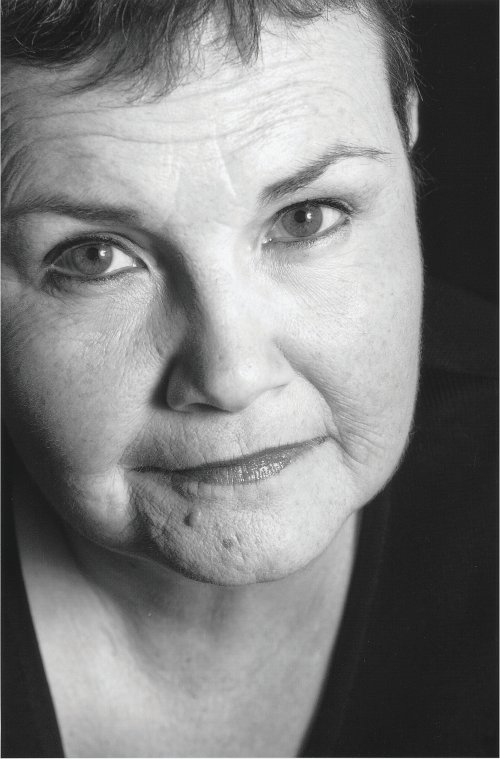
Art Talk: Division Intern Bob Evans

by Tim Storhoff

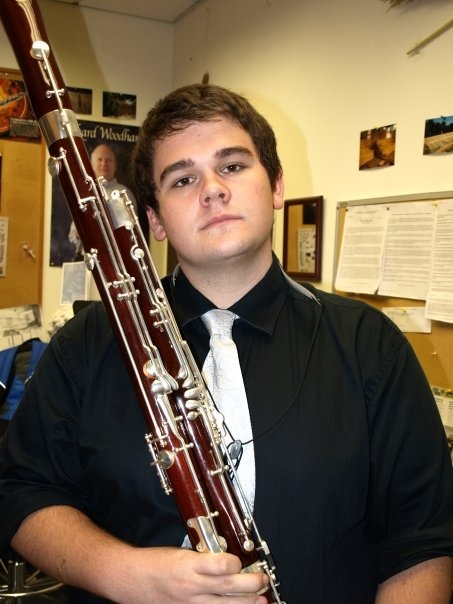
Bob Evans joined the Division of Cultural Affairs team at the end of August. Originally from Coxsackie, New York, Bob studied bassoon performance and music education at the University of South Carolina. He came to Florida State University in 2011 to pursue a Master’s degree in Arts Administration. As the Division intern through the spring, Bob will have the opportunity to participate in many of our different programs. He has already been working with Poetry Out Loud, the Florida Artists Hall of Fame, and some of our grant programs. I recently spoke with Bob about his background in the arts and the importance of the arts for the state of Florida.

Bob Evans with his bassoon. Photo submitted and used by permission of Bob Evans.

DCA: What are some of the earliest arts experiences you can remember?
Bob: I don’t remember many specific arts experiences in my childhood. I feel like they were so ingrained into everyday life for me that maybe I just took them for granted. My father is a painter who idolizes Dalí, so I recall many of his prints in our house, and everyone in my family sings well, even if it’s just with the radio.

In terms of a significant arts experience, I don’t recall anything sticking out until I was about 14. I’d been playing bassoon for a year and made it into a local youth orchestra. I was pretty nervous before that first rehearsal because I had never played in an ensemble with strings before, so I wasn’t sure what it would be like. We started with Ravel’s orchestration of Mussorgsky’s “Great Gate of Kiev” from Pictures at an Exhibition. I knew in that moment that I’d never be the same. That feeling of frisson when I heard those opening bars was what propelled me into a musical career. Of course, it was immediately dampened by my inability to read tenor clef and my complete lack of technical facility, but, thankfully, positive reinforcement trumps negative reinforcement.

DCA: You’re actively pursuing a degree in Arts Administration. What made you decide on a career in the arts?
Bob: Why does anyone decide on a career in the arts? The arts are important. They’re a basic human need essential for survival just as much as food, water, and shelter. Look at the creation of visual art and music in concentration camps during the Holocaust where, while fighting for their lives, people still produced powerful, meaningful art. I often think about that whenever I feel like I’m losing focus.

DCA: The Division of Cultural Affairs believes in the motto “Culture Builds Florida.” What do you think when you hear that phrase? Why do you believe arts and culture are important to our state?
Bob: I love hearing Culture Builds Florida! I wish we could adopt a “Culture Builds America” slogan. Imagine THAT on some bumper stickers! Culture Builds Florida says so much about what the arts can mean for a willing society. I know that in Florida, so much revenue comes from the arts: a single dollar’s investment can mean a return of 5 dollars! It’s amazing, but the trick is getting people to realize it. That’s another reason that I chose this career path. The arts mean business, not just here in Florida, but around the nation. I want to work to make sure that’s the case for a long time.

Spotlight on the Florida Artists Hall of Fame nominees, Part III

By Tim Storhoff and Ken Crawford

Today we are finishing our look at the nominees for the 2013 Florida Artists Hall of Fame. Earlier this week we looked at the 2013 musical nominees and visual arts nominees. Established by the Florida Legislature in 1986, the Florida Artists Hall of Fame recognizes persons, living or deceased, who have made significant contributions to the arts in Florida either as performing or practicing artists in their disciplines. These individuals contribute to Florida’s national or international reputation as a state with a sustained commitment to the development of cultural excellence. The Florida Artists Hall of Fame currently consists of over 30 inductees, including musician and performer Ray Charles, actor and director Burt Reynolds, writers Zora Neale Hurston, Tennessee Williams and Ernest Hemingway, filmmaker Victor Nunez, and visual artists Duane Hanson, Robert Rauschenberg and James Rosenquist. Read more about the program, nominating process, and view the full list of inductees at the Division of Cultural Affairs Florida Artists Hall of Fame page.

Here are the final six nominees for this year:

Gloria Jahoda: Writer – Tallahassee (1927-1980)
The author of novels and non-fiction works set in the early 20th Century in North Florida, including The River of The Golden Ibis, The Road to Samarkand, and Florida: A Bicentennial History,  was, according to her nominator Robert Holladay,“…a gifted writer, reporter and trained anthropologist with the soul of a poet.” She was often referred to as the Marjorie Stoneman Douglas of North Florida, since her work sought to celebrate and protect the wildlife and natural environment of this region. Her stories of the people of the Big Bend capture a moment in the natural history of the Gulf Coast.  Senator Bob Graham heralded her work in a state proclamation. When she died, the Florida Muscogee Creek Nation scattered her ashes in a ceremony normally reserved for Native Americans. Ms. Jahoda’s complete collection of writings, letters and research are contained in a collection at the Strozier Library at Florida State University. Her most well-known book, The Other Florida, pre-dates works that were published later by other writers, calling for environmental conservation and expressing a close connection to the land and waters of Florida.

Alexander Key: Writer/Illustrator – Apalachicola (1904-1979)
A nationally-known book and magazine illustrator, Alexander Key’s books set in North Florida celebrate the sensibilities of small towns along the Suwannee River and the Gulf Coast, particularly Apalachicola. He sold stories to the Saturday Evening Post and Colliers before beginning to write books. Mr. Key was inspired by local Apalachicola landmarks; weaving tales of local lore into books such as Island Light, The Wrath and the Wind, Suwannee River: Strange Green Land, and other novels. These were well-known by readers interested in stories written in a mythic style with a sense of folk history and inquiry into the natural world. He also wrote young adult science fiction and children’s books after he married and had children, including The Forgotten Door, and his popular Escape to Witch Mountain, which was made into a Walt Disney film in 1975, 1995, and again in 2009.

Adelia Malouf Samaha: Mixed Media – St. Petersburg (1929- )
A painter, multi-media expressionist and fabric artist, Adelia Malouf Samaha’s distinctive floral art in a variety of media have become widely known, as have her portraits in oil of prominent cultural figures in the state, including former Governor Charlie Crist. Her choice of media for floral compositions and special commissions has also included pastels, watercolors, pottery, silk screening and stained glass. She is a major supporter of the St. Petersburg Museum of Arts, teaches volunteer art classes in the Pinellas County Schools, and gives art instruction to disadvantaged young students at neighborhood centers throughout the county. Ms. Samaha is celebrated for her support of numerous charities. She donates work to many organizations and local causes. She and her husband have restored two historic buildings, one of which is listed on the St. Petersburg Historic Buildings List.

O.L. Samuels with Dana (carved wood, 2007)

O. L. Samuels:
Folk Artist/Sculptor – Tallahassee (1931- )
The Reverend O.L. Samuels is a well-known folk artist, largely untrained and unlettered, who began his life as a laborer, became a middle-weight boxer, and then pastor of two churches, before following his dream to become an artist while continuing to preach. His work: unusual wood carvings with a highly colorful ornamental and emotional content, has been much appreciated since he began creating those sculptural pieces in 1983. Rev. Samuels’ art is now widely collected in folk art museums, galleries and in many private international collections. These include the Smithsonian’s African-American Art Museum, the Harriet Tubman Museum, and the White House Collection. His life and work have also been documented in dissertations, films, and published works on the subject of American Folk Art. You can find his website at www.olsamuelsfolkart.com.

Mario Sanchez: Folk Artist/Sculptor – Key West (1908-2005)
Florida Folk Heritage 1991 Award Winner Mario Sanchez was a self-taught folk artist who documented his community’s cultural history in street scenes of the Key West and Ybor City Cuban populace which he witnessed for 96 years and characterized in imaginative painted carvings, paintings and drawings. One of his works was chosen by the Department of State as the image to celebrate Florida’s sesquicentennial in 1995. Mr. Sanchez is the subject of books, documentary films, television programs, and many research articles. His work is exhibited in many important collections. In his 75-year career, Mr. Sanchez produced over 600 works. In 2002, the American Museum of Folk Art recognized him as “the greatest living Cuban-American folk artist.” He was a man of the people and the neighborhood. He could always be found outdoors in his garden “studio,” greeting those who passed by as he worked, and sharing memories of early times as he placed these same images into his art. You can view some of his works and read more about him at the Key West Art and Historical Society page.

Buell Lee Whitehead: Printmaker/Lithographer – Fort Myers (1919-1994)
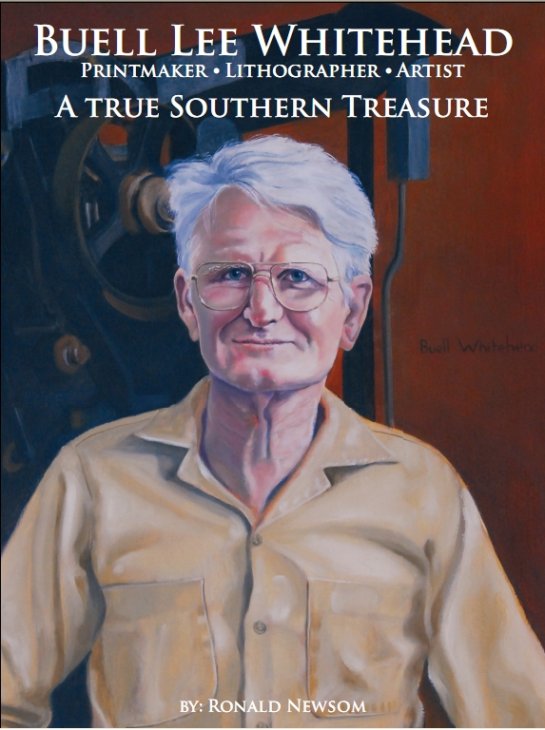
The artist Buell Lee Whitehead grew up in rural Fort Myers when that area was still the backwoods in the 1920s and 1930s. Cutting firewood for the money to go to college, he entered the University of Florida in 1938, and, following war service, graduated with one of the first Bachelor of Fine Arts degrees. His early work attracted so much attention that the University commissioned him to do the official portrait of the dean of the school. As an inspired painter, printmaker, lithographer and engraver, he lived most of his live in Southwest Florida; choosing the subjects of his stylized works from familiar surroundings. His art chronicles early 20th Century landscapes and community lifestyles from the perspective of the beginning citrus, sugar, timber and fishing industries of that area. Later, he was the first Florida artist who travelled the U.S. selling original lithographs from a press mounted on a flatbed truck that traveled with him. Whitehead was one of the nation’s earliest well-known printmakers. You can read more about Whitehead in Ronald Newsom’s book Buell Lee Whitehead: A True Southern Treasure or at www.buellwhitehead.com.

The 2013 inductees to the Florida Artists Hall of Fame will be announced later this year, and they will be inducted on March 20, 2013 during the Florida Heritage Awards in Tallahassee. We encourage you to visit the Florida Artists Hall of Fame wall on the plaza level in the rotunda of the Florida Capitol Building.

Spotlight On Artist in Residence Program at MD Anderson Cancer Center Orlando

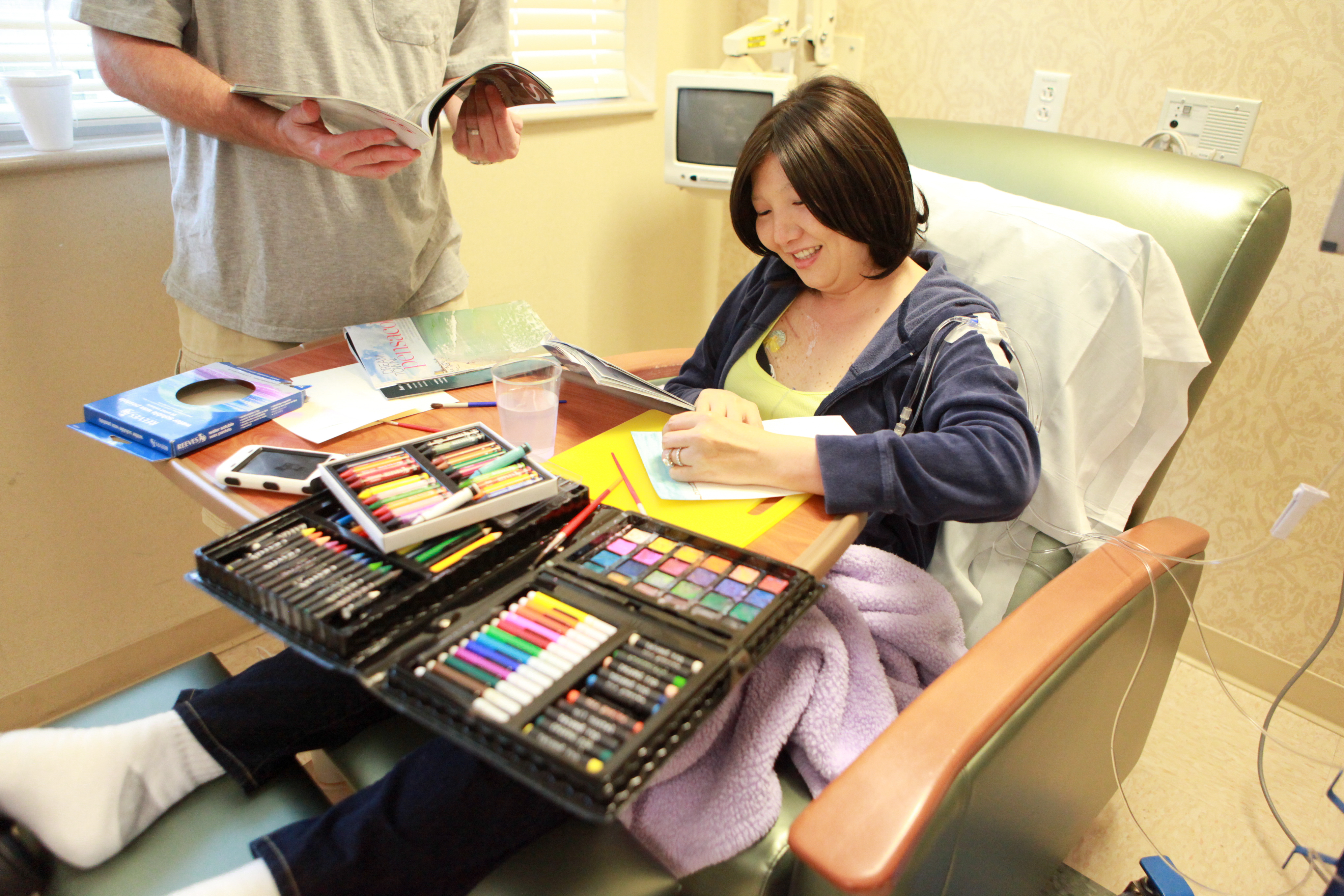
The Creative Center’s Artist In Residence program at MD Anderson Cancer Center Orlando provides opportunities for patients to learn about and become absorbed in their own creative resources as they meet the challenges of diagnosis, treatment and survivorship. This community collaboration employs three artists and incorporates a range of media, including painting, writing, mixed media and photography.

Image submitted and used by permission of United Arts of Central Florida. Photo by Kellie Warren-Underwood.

The Artist In Residence Program is a partnership of United Arts of Central Florida, Baker Barrios Architects and MD Anderson Cancer Center Orlando. “Innovative programs and partnerships have always been a part of the Baker Barrios philosophy. As cancer has been a battle for many of our employees and friends of the firm, we take great pride in supporting the creative process as a survivorship tool for people in treatment,” Shanon Larimer, Vice President of Global Marketing for Baker Barrios Architects, said regarding Baker Barrios’ role in the program.

United Arts of Central Florida secured a one-year grant from LIVESTRONG® Community Impact Project in 2011 to pilot the program. The Creative Center’s Artist In Residence program has worked bedside and in small group settings with men, women and children in oncology units, bone marrow transplant units, intensive care/respiratory units, hospice and palliative care programs.

“It’s wonderful to see the community support for a program that is making such a difference for our patients who are facing the biggest challenge of their lives,” added Dr. Clarence Brown, III, President and CEO of MD Anderson Cancer Center Orlando.

About United Arts of Central Florida: United Arts of Central Florida is a dynamic collaboration of 164 businesses, 8 governments and school districts, 38 foundations, more than 50 arts and cultural organizations, and 3,188 artists and individuals. This partnership works to enhance the quality and variety of cultural experiences available throughout Lake, Orange, Osceola and Seminole counties. Since its inception in 1989, United Arts has invested more than $117 million in local cultural organizations and cultural education. United Arts envisions a diverse, well-attended, fiscally sound arts and cultural community that serves residents and visitors to the Central Florida region. For more information, visit the United Arts of Central Florida website.

A Day in the Life: Ultra Runner Steve Wheeler

by Jennifer Hoesing

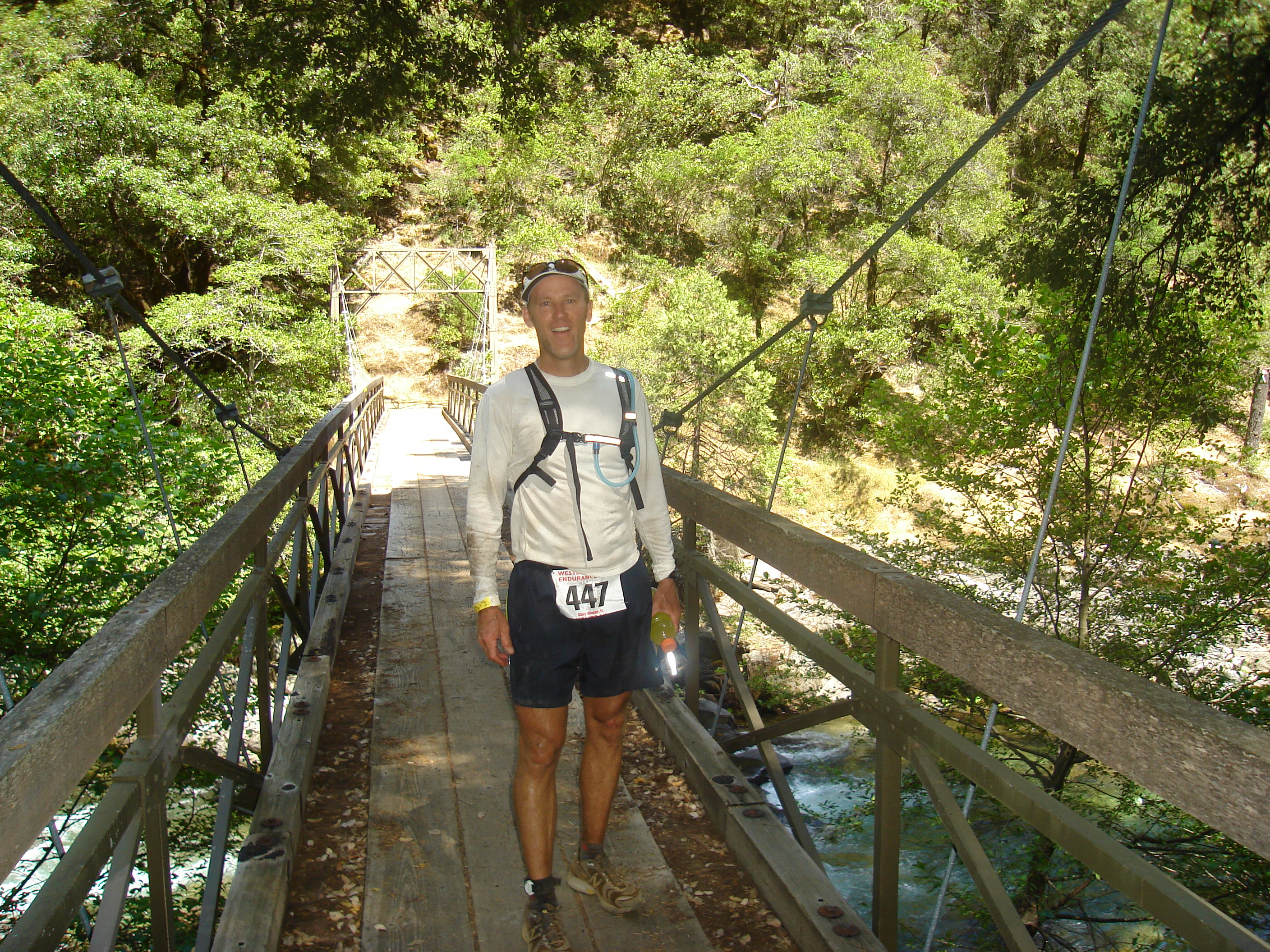
This Friday, ultra marathon runner and real estate broker Steve Wheeler will take to the streets in an effort to raise money for arts education. Wheeler’s “Art to Architecture” run will take him 110 miles non-stop from Altamonte Springs to the University of Florida (UF) Fine Arts Building in Gainesville. Donations and pledges supporting the challenge will benefit arts programs in the Seminole County Schools, the UF College of Fine Arts and the UF School of Architecture.

Steve Wheeler. Photo submitted and used by permission of Steve Wheeler.

What inspired the 110-mile challenge to support the arts?

Steve’s daughter, Leslie Wheeler, is a recent suma cum laude graduate of the University of Florida with a degree in architecture. “Her success may not have been possible without the exceptional teachers and art programs available through the Seminole County Schools,” Steve said in a media release. Leslie and Steve also added that the exceptional professors at the University of Florida were critical to Leslie’s achievements.

Leslie Wheeler. Photo submitted and used by permission of Steve Wheeler.

The run will follow the path of Leslie’s schools: Spring Lake Elementary, Teague Middle School, Lake Brantley High School and the University of Florida. One additional stop is planned for Bear Lake Elementary School, where Steve’s sons attend school.

Steve and I exchanged emails about the Division’s belief that Culture Builds Florida. Steve told me culture is vital to Florida’s future. “Great things come from creativity,” he said. “Look at Apple and Facebook. Becoming a creative thinker yields new milestones. Build culture or build prisons.”

For more information about his “Art to Architecture” run, contact Steve at stevewheelerpa@earthlink.net.

Art Talk with Nathan Selikoff

by Jennifer Hoesing

Nathan Selikoff

I first met Nathan Selikoff when he participated in a Creative Capital Professional Development Program (PDP) workshop for artists hosted by Citizens for Florida Arts, Inc. with support from the Division of Cultural Affairs and the National Endowment for the Arts. His work blurs the lines between art, math and computers and explores their junctions. Nathan is participating in a second Creative Capital PDP in Tallahassee this weekend, and in advance of that experience, I asked him a few questions via email about his work.

DCA: Your work experiments with the overlap between art, math and computer programming. What have you discovered about the intersections between these disciplines?
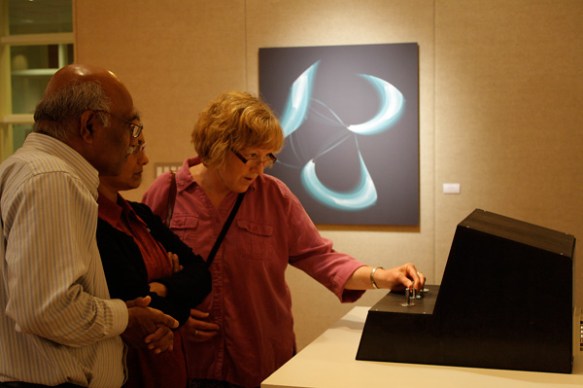
Untiled Faces at Process & Influence. Image courtesy and used by permission of Nathan Selikoff.

Nathan: This is where all the interesting things happen! Many people think art and math are somehow incompatible, or have nothing to do with each other. While they do represent different ways of thinking, I see beauty in both and many connections between them. Furthermore, I believe both are, in their own ways, seeking to uncover beauty and truth.
I have always been drawn to the polymath or “renaissance man” – another way of saying this is that I am most satisfied when both the left and right sides of my brain are engaged. Leonardo da Vinci is the classic example of a polymath, but there are many, many others that inspire me and let me know I’m in good company as I explore the blending of art, math, science, nature, algorithms, and computers. Just a few examples from the past would include Dürer, Escher, Hofstadter, and Laposky. More recent examples include Mandelbrot, Moscovich, Pickover, the Algorists, Scott Snibbe, Jared Tarbell, Marius Watz, Casey Reas, Ben Fry… the list goes on.
DCA: Speaking of intersections, you’ve collaborated with composers in Orlando, Miami and Brooklyn. What was it like seeing your art set to music? Has that experienced further altered the way you consider your work?
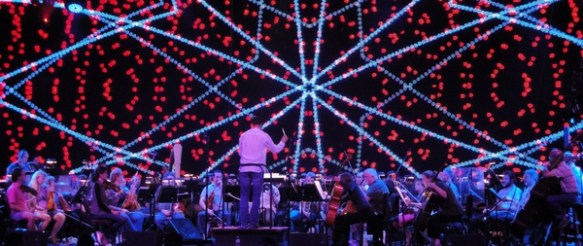
Full Dimensions rehearsal, a collaboration with Keith Lay, Marc Pinsky, Full Sail University, the Orlando Philharmonic, and Maestro Dirk Meyer. Image courtesy and used by permission of Nathan Selikoff.

Nathan: My recent projects with composers have been really enjoyable and eye-opening, on many levels. Collaborating with musicians is fun, exciting and challenging, and has introduced me to a new source of inspiration and way of working. I listen to a piece of music and just close my eyes and let my imagination go. I think about how the piece makes me feel and the images and shapes it brings to mind, and work to interpret it visually to bring about that same emotion in the visual realm.
Music and sound are always experienced temporally, so in many ways they are more akin to mediums such as video, animation, and performance. I have spent a lot of time working with static images in the past (my fine art prints), and it has been great to get back to the moving image and the element of time, which engages people in a completely different way.
I also want to mention that I find the community of musicians to be very open, welcoming, and supportive of one another. They experience the same kinds of struggles and triumphs that visual artists do, and I believe we have a lot to learn from one another and from collaboration.
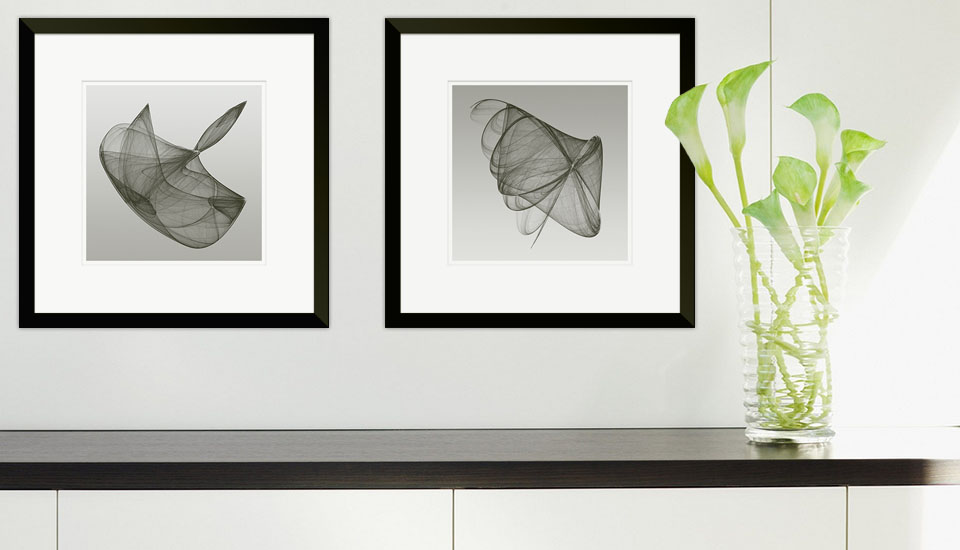
DCA: Your website features some stunning images of your work as a part of interior design. How were you inspired to feature your work in interior design settings?
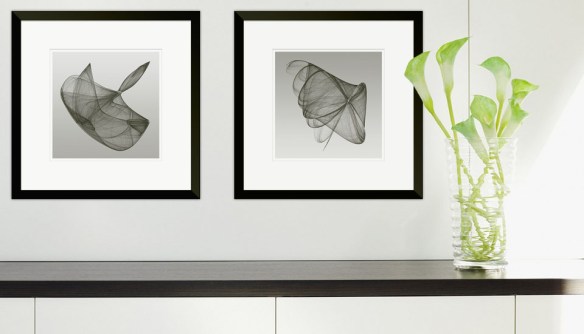
Image from Nathan Selikoff online store. Image courtesy and used by permission of Nathan Selikoff.

Nathan: Most of those images are either staged or simulated with some Photoshop magic, and I created them specifically to target high-end, high-tech, modern and contemporary interior design settings as a market for my fine art. This is based on my research and on conversations with my supporters and collectors. I think these types of spaces would look fantastic with my artwork hanging in them 🙂
DCA: You’ve been a part exhibitions in all kinds of spaces, from the most traditional gallery settings to up and coming collaborative work spaces and even an exhibition at the Joint Mathematics Meetings. What has been your takeaway from being a part of a diverse collection of cultural venues?

Untitled Faces. Image courtesy and used by permission of Nathan Selikoff.

Nathan: Confusion! Just kidding – kind of. As an emerging artist, I have taken opportunities as they come and tried to cast a wide net and see what I catch. Most of these exhibitions have been wonderful experiences. However, I am getting to a point where I need to tighten my focus and pursue the opportunities that will best contribute to the sustainability of my career (financially and otherwise).
DCA: This weekend you will be participating in a Creative Capital Professional Development Workshop. How did attendance at your first Creative Capital workshop help you advance your career? What are you looking forward to in the weekend ahead?
As I have alluded to in the previous two answers, one of my questions at the workshop this weekend will be how to narrow my focus and choose those opportunities and relationships that will be fruitful to my career. I have committed myself to a long-term, sustainable career as an artist, and I need help getting there!
Creative Capital’s Professional Development Workshops have already been instrumental in my development as a fine artist. Specifically, since the previous workshop I attended two years ago, I have been in my first one- and two-person exhibitions; opened up some new sources of income with lectures, performances, and online sales; and perhaps most significantly, left a full-time job to return to freelancing and focusing on my art career. Some of the highlights from the previous workshop were learning and practicing negotiating skills, diving into an analysis of how I actually spend my time, and understanding how to use social media in the context of my art career. I was a Facebook hold-out for a long time, but decided to jump in for the purpose of marketing myself and my artwork, and it has been a good decision.
Being an artist can be a lonely and solitary pursuit at times. Besides providing practical information, I find workshops like this essential for connecting more deeply with other artists who share my journey.
DCA: The Division of Cultural Affairs believes in the motto “Culture Builds Florida.” What do you think when you hear that phrase? Why do you believe arts and culture are important to our state?
When I hear “Culture Builds Florida” it makes me proud. I am so glad that there are organizations like the Division of Cultural Affairs and people like you who understand the importance of the arts and culture to the overall health and strength of our society – emotional, social, spiritual, intellectual, and economic. Arts and culture help us see ourselves as we were, as we are, and as we could be.
Spotlight on Technology Integration at Palm Beach Opera

by Ceci Dadisman, Director of Marketing & PR, Palm Beach Opera

Image courtesy/used by permission of Ceci Dadisman.

Ceci Dadisman is the Director of Marketing & PR at Palm Beach Opera. She manages all aspects of the company’s technology and new media projects, including social media, website, iPhone app, and live web streaming. She has brought Palm Beach Opera to the forefront of the social media and new technology realm proving that companies of all sizes and budgets can do great things in the world of digital marketing. Ceci holds a B.M. in vocal performance from West Virginia University.

You may think that opera and technology don’t go together, but the arts are quite perfect for integration with all things digital.  Here are 5 things that we use regularly that enable Palm Beach Opera to get the word out about what we do and further engage our audience.

1.    Website – Everyone knows that having a website is imperative to any arts organization.  However, a website is only as good as how well it is managed and the quality of information contained within. A few years ago, Palm Beach Opera switched from a traditional CMS (content management system) to WordPress, an open-source CMS.  This small change has revolutionized how we are able to manage our website.  You may have heard of WordPress.com which is a free web-based blogging platform but WordPress can also be used to create and manage a website on your own server.   Any website is a kinetic entity that should be updated often to reflect upcoming events and using a web-based open-source CMS like WordPress allows us to do that quickly and easily from any computer or device with an internet connection.

Wordpress site from Palm Beach Opera. Image courtesy/used by permission of Palm Beach Opera.

2.    Website Analytics – Website analytics are nothing new, with most people utilizing the powerful platform of Google Analytics to monitor website activity.  (If you don’t look at your website stats at least a couple times per week, I highly recommend that you do.  What you see will most likely be quite eye-opening.)  In addition to the standard analytics, we use two other sites that give incredibly useful information: Chartbeat and Crazy Egg.  Chartbeat shows real-time analytics so that we can see how many people are on our site at any given time and their activity as it happens.  This ability can be especially useful to track traffic after an enewsletter or other email communication has gone out to ensure visitors are visiting the intended pages.  It also is great for monitoring traffic during any kind of web promotion or contest.  You will be able to immediately see if conversions aren’t occurring as intended and make the necessary changes.

Chartbeat from Palm Beach Opera. Image courtesy/used by permission of Palm Beach Opera.

CrazyEgg is a fantastic site that gives you heatmap data for any page on your website.  In the past, heatmaps were available to only large for-profit companies because of the high cost.  With Crazy Egg, heatmaps are now available to all and the cost is very minimal.  Studies have shown that there is a very high correlation between eye movement and mouse movement and that is how Crazy Egg is able to give this sort of data.  Heatmaps will show you where people are looking (and clicking) on any page of your website.  This is especially useful in optimizing your homepage and landing pages throughout the site.  When used in conjunction with an easily-updatable website, necessary updates can be made quickly and easily to improve performance.

Chartbeat from Palm Beach Opera. Image courtesy/used by permission of Palm Beach Opera.

3.    Social Media Management – At Palm Beach Opera, we use Facebook, Twitter, Flickr, and YouTube as our main social media platforms.  (It is important to remember to only be on the social media platforms that work for your organization.  Don’t feel pressured to be on too many if they don’t make sense or you don’t have time to manage them all.) It can be tough to keep up with multiple platforms especially if your organization has a small staff or the responsibility falls to one person only.  To help with this, we use Sprout Social to manage social media activity.  Sprout Social aggregates the activity on our social media profiles so that it can be seen in one place making it much easier to manage.  It also gives stats and data so that you can have useful demographic information about your friends and followers as well as statistics about activity and engagement levels.  Sprout Social is very nonprofit friendly as they offer a $9/month plan that will fit most organizations’ needs plus a 50% nonprofit discount.

Sproutsocial Social Media Management from Palm Beach Opera. Image courtesy/used by permission of Palm Beach Opera.

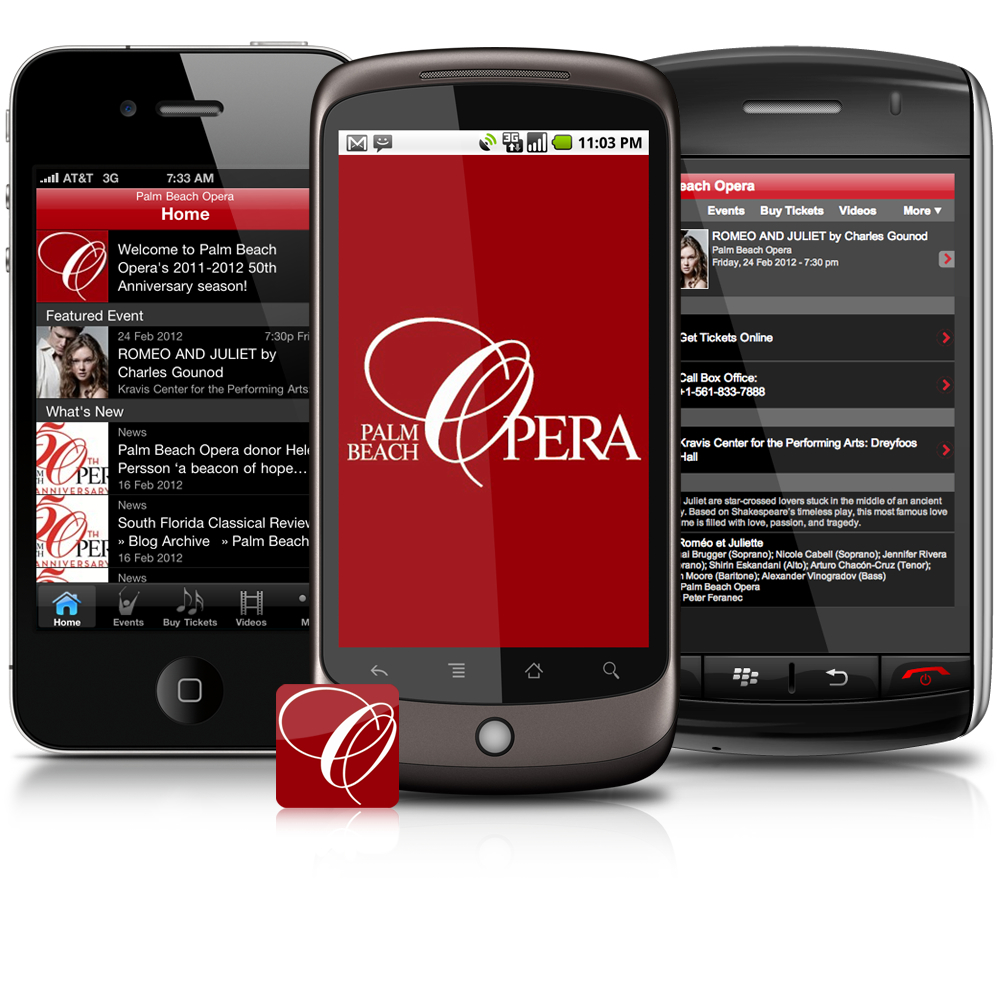
4.    Mobile – When we debuted our iPhone app a few years ago, Palm Beach Opera was one of the first arts organizations to have an app but now being mobile-friendly is becoming more and more important.  We were able to build our app using InstantEncore’s platform and it is very cost-effective.  It may not make sense for every organization to have an app but you do need to make sure that your website is mobile-friendly.  More and more people are surfing the web using a mobile device and, whether it is on a phone or with a tablet, arts organizations need to be ready and keep up with the trend. If you happen to be using open-source CMS to run your website, there are a variety of plugins that will create a mobile version of your site quickly and easily.

Palm Beach Opera app. Image courtesy/used by permission of Palm Beach Opera.

Also, sites utilizing responsive design capabilities will do this automatically for you.  The first step is to view your site using a smartphone or tablet to see what it looks like.  Is all of your content visible?  Does the navigation function?  Is it easy to move around the site?  If the answer to any of these is “no,” you will want to put a plan in place to improve the mobile viewing experience as soon as possible. You never know, your next ticket purchase may come from someone viewing your site on an iPad or Kindle Fire!

Responsive design examples from Palm Beach Opera. Image courtesy/used by permission of Palm Beach Opera.

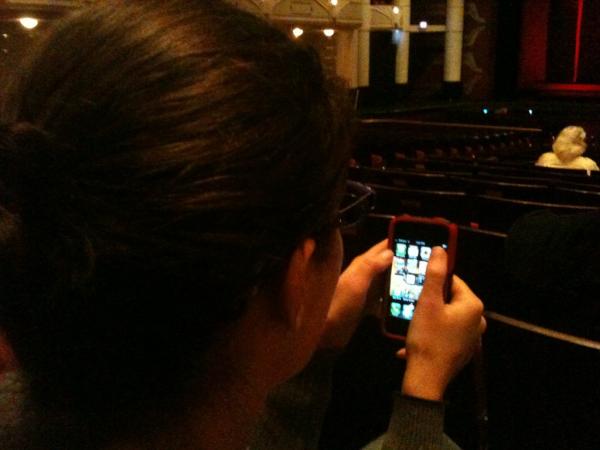
5.    Tweet Seats  – There has been a lot of attention on tweeting during performances recently giving cases both for and against it.  There is no one way to do tweet seats, and they might not be appropriate for your organization depending on your venue or programming.  We decided to try it out this past season not for our regular performances, but rather for our final dress rehearsals.  We offered a small amount of seats to the dress rehearsal to people who signed up on our website who are active on Twitter with the understanding that they would tweet about what they were experiencing during the show.  They were encouraged to be honest and use their own voice in their tweets and to give any thoughts or feelings that they had.  The first event went very well and word started to spread and soon we had a great number of ticket requests for subsequent dress rehearsals.  We were lucky to attract people who wouldn’t be considered “opera-goers” and many of those who came to tweet had never been to an opera before.  Coincidentally, we also attracted some members of the media at local TV stations, which resulted in additional media coverage for the opera.  Based on the success of the events this season, we plan on continuing to offer tweet seats in future seasons to bring opera to members of the community at large.

Tweet seats at Palm Beach Opera. Image courtesy/used by permission of Palm Beach Opera.

Art Talk: Margaret Cardillo

by Jennifer Hoesing

Today’s Art Talk is a conversation with Miami author Margaret Cardillo. Margaret’s book, Just Being Audrey, was the recent winner of the 2011 gold medal for Children’s Literature in the Florida Book Awards. Margaret took a moment from her busy schedule to chat with me, via email, about her love for Audrey Hepburn and the Sunshine State, as well as her work with First Lady Ann Scott.

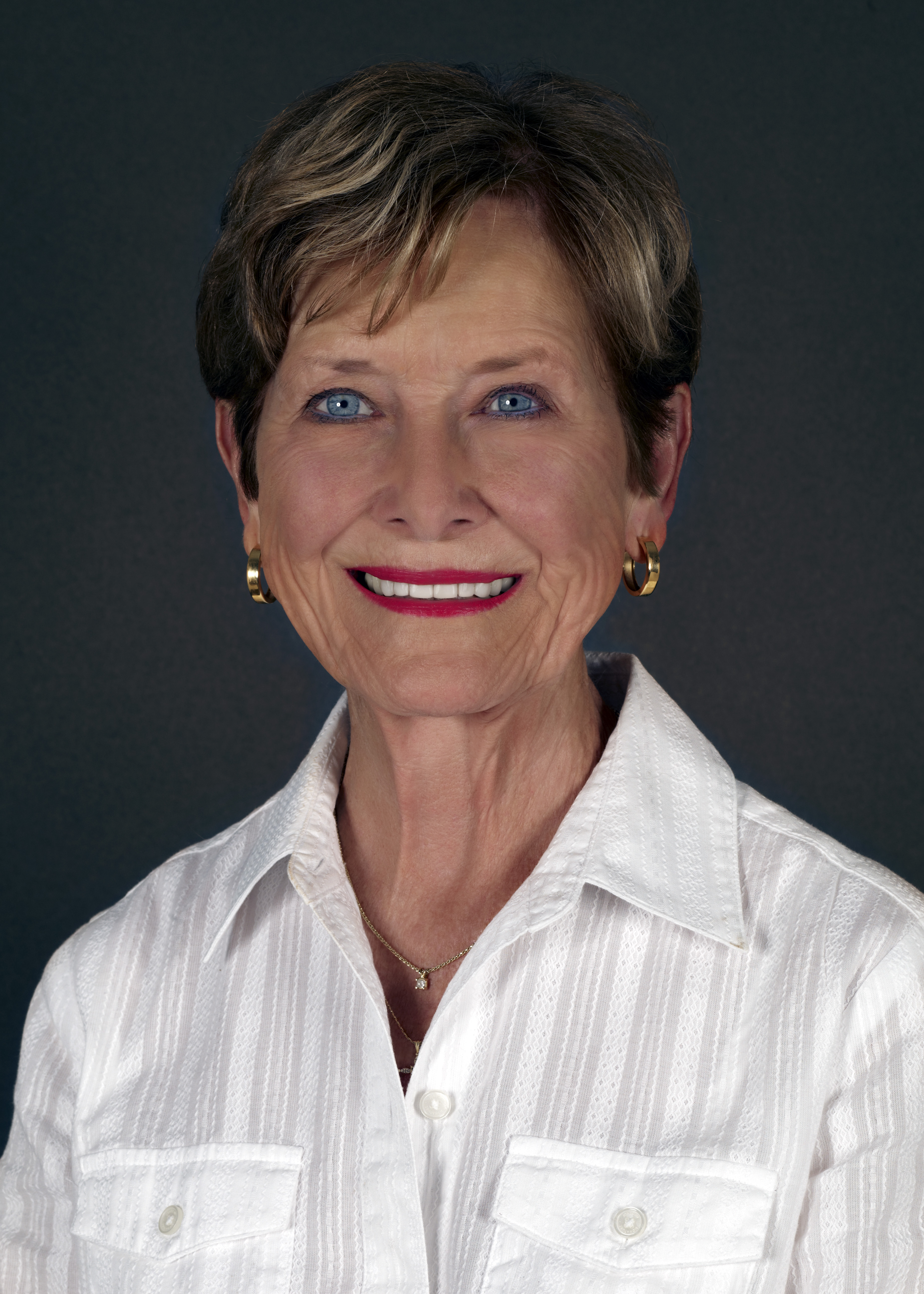
Margaret Cardillo headshot

Margaret Cardillo

DCA: You were just honored with a gold medal in the Florida Books Awards for your book, Just Being Audrey. How did you decide to write about the iconic Audrey Hepburn as a young girl?

I fell in love with Audrey when I was 10 years old when I watched Roman Holiday for the first time. When I read more about her life outside of the screen, I loved her even more. She survived war-torn Holland during World War II. She built a movie career anyone would be proud of. She created a whole fashion movement with the Audrey Look. She was always kind and she was always herself—she never tried to be anyone other than Audrey. And then she did something that not many actors did at that time: she chose to use her fame to help others. She dedicated her life to UNICEF and traveled the world bringing aid to children in need. This was long before Angelina Jolie and Bono. She saw the opportunity to help children and she took it in a big, life-changing way.

Whether it was her acting, her style or her activism with UNICEF, Audrey is famous for all the right reasons. She inspired me as a young girl and I wanted to inspire a new generation of fans.

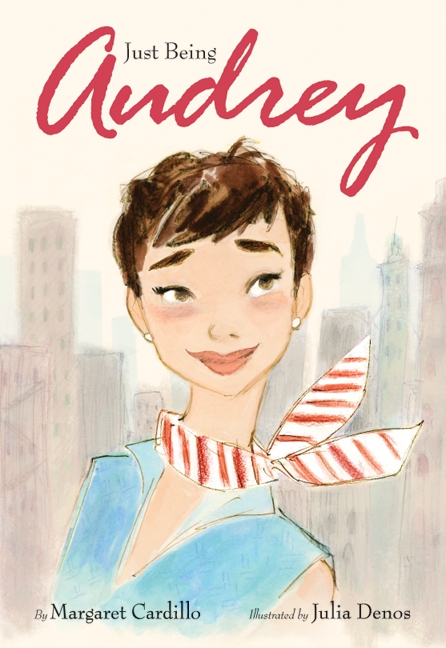
Just Being Audrey. Image courtesy/used by permission of Margaret Cardillo.

DCA: You hold an assistantship at the University of Miami, where you are working on a Masters in Screenwriting. How does screenwriting differ from writing for children and from short stories?


On the one hand it is completely different and on the other it is very similar. Whether it is a children’s book, a short story or a screenplay you have to figure out what the story is and tell it in a compelling and emotional way. In that way it is very similar. However, each craft is different. There are many more parameters for a screenplay than a written narrative—it is a more structured medium. It is a gift to be able to think about real people acting out your words. Children’s books are just beasts unto themselves. The cardinal rule is not to talk down to children. They can sniff it out like a dog and a bone. When you have three or so pages of text, every single word is precious. Short stories are freeing while at the same time very constrictive. Weaving a narrative in order to leave it up to the readers’ imagination is as once frightening and fascinating. And novels, well, the possibilities are endless. That’s why I love writing: there are so many ways of doing it. The only consistency is the challenge of producing good writing.

DCA: I know you’ve studied in Boston and worked in New York City. What is the best thing about returning to Florida?


Socks. I don’t have to wear socks anymore. Or wash them and wonder where they all go. Seriously though, I miss Boston and New York all the time, but when I thought about moving back to Florida I knew it meant two things: 1) being close to my family (I was born and raised in Naples and my parents still live there) and 2) being able to write outside. That is the best thing about moving back to Florida. Living here, on the other hand, is a collection of a million “best things”. Among them: sunshine, walking with my husband through the jungle of Coconut Grove, the Everglades, mangroves, key lime pie, the seven mile bridge, University of Miami, Plant City Strawberry Festival, outdoor movies in March, people watching on Lincoln Road, the Naples beach, finding my dog Zampano through a dog rescue center.

DCA: You have teamed up with First Lady Ann Scott to read your book to kids. What was your takeaway from that experience?


That kids are so smart and ask the funniest questions and are shorter than me…and I love them for all of those reasons. The reading was a fantastic experience. First Lady Scott is a big reader herself and is dedicated to encouraging the young people of Florida to pick up a book. And you know what? They do. The participating kids were well versed in a myriad of books and topics. They were also very curious about the writing process, as many of them love to write on their own. And while the kids were the highlight, the teachers that brought them to the mansion are heroes. I could tell just by watching their interaction with the kids: the students look to their teachers for guidance and, in turn, the teachers are encouraging them to ask questions and speak up. Speaking to children is definitely one of the best parts of being an author. They have unparalleled clarity and great curiosity. On my class visits we’ve written whole stories together or we will sit and talk for over an hour about Audrey, life, books and writing. Their imagination is inspiring.

DCA: The Division of Cultural Affairs believes in the motto Culture Builds Florida. What do you think when you hear that phrase? Why do you believe arts and culture are important to our state?

I think that when you have a state as diverse as Florida, culture makes itself important. It really is a melting pot of hundreds upon hundreds of different cultures coming together and living amongst each other. When they blend and collaborate and celebrate each other is when the good stuff happens. Florida’s history lends itself to being a cultural haven. We’ve been inhabited by so many walks of life over the years that there was never a set-in-stone way of life. Sure there are some drawbacks to that, but having that kind of open-door policy on culture creates a safe zone for people to express their heritage, their history and their voices.

It bothers me when people say Florida is devoid of culture. Their preconceived notions are getting in the way. I am an Italian American who will go to the opera at the performing arts center as soon as I’ll go to the Miami Book Fair as I’ll go to Shark Valley in the Everglades or the lake district in the middle of the state. There isn’t any one thing that defines Florida, which is what I love so much about it.

In a modern sense, arts and culture are important to Florida because recognition of culture keeps us relevant. The minute we rest on our laurels and stop paying attention to culture, in whatever form it presents itself, is the minute we stop progressing as a state. Books and art and film and museums, among other things, are what keep our collective heart beating. We can’t forget that. Our unique culture is what sets us apart.

Spotlight On Robert C. Broward

by Jennifer Hoesing

Robert C. Broward

The work of architect and Florida Artists Hall of Fame inductee Robert C. Broward has literally changed the face of Florida.

He began his career in 1949 as an apprentice to Frank Lloyd Wright during the construction of Florida Southern College, and his work as an author continues to this day. In sixty-one years of architectural practice in Florida, Broward has produced diverse designs including small homes and chapels, as well as large warehouses, office buildings, churches museums, movie theaters, high-rise buildings, oceanfront residences and corporate headquarters.

His love of nature, particularly in Florida (where has been a lifelong resident), inspired his organic architectural methods. In his work, design and sustainability parallel a commitment to environmental stewardship. Methods of building, materials, site conditions, orientation to the sun, rain and other natural phenomena were major considerations in Broward’s work. In just one example, he often designed rainwater collection to create spilling effects as a decorative and sonic element, celebrating frequent rainstorms in Florida.

Unitarian Church, Jacksonville, 1965. Image courtesy/used by permission of Robert C. Broward.

As a teacher, mentor and author, Broward contributed to architectural scholarship by influencing the careers of two generations of architects. He taught for four decades in academia as Adjunct Professor of Design at the University of Florida. He wrote the definitive scholarly work on Henry John Klutho’s Jacksonville structures. Now in its second edition, the book features of 500 photographs of the early twentieth century architecture that revived a city ravaged by fire. Broward published in numerous magazines, books and newspapers, and an entire issue of a national architectural journal was devoted to his work.

In 2011, Broward was elevated to the prestigious American Institute of Architects (AIA) College of Fellows, the highest designation in the architectural profession. In February 2012, he was inducted info the Florida Artists Hall of Fame during a ceremony at the Jacksonville Historical Society. His prolific career has produced a legacy of outstanding architecture throughout Florida and beyond.

Art Talk: Jackie Brice

by Jennifer Hoesing

Florida native Jackie Brice has been painting since 1967. Jackie, who lives in Jupiter, has focused on painting remote wetlands, rivers and forests, preserving their natural beauty with a rare blend of artistry and accuracy. She has studied painting with A.E. Backus and Vela Boss, and is collected by offices of government officials, as well as schools, libraries and museums. Her work has been accessioned to the permanent collections of The White House, U.S. Senator and Mrs. Bob Graham, U.S. Congressman and Mrs. E. Clay Shaw and Burt Reynolds. Jackie is active in her community, encouraging young people in art and ecological preservation. She has been honored with awards and recognition for her art work, and last week was inducted into the Florida Artists Hall of Fame. Jackie took time, via email, to discuss the honor and the ways that art and culture are important to the state she loves.

Fahahatchee Moon, oil on canvas, by Jackie Brice. Image courtesy/used by permission of Jackie Brice.

DCA: Do you remember as your first experience with art? Have you always had a love of painting?

Jackie Brice

When both of my children started school, I was looking for a hobby. I mentioned this to my friend, an art teacher, and she urged me to come by her garage studio to see what her students were doing.  When I walked in and saw all the easels and paintings something moved me.  I thought, “you know, I believe I can do this!”  I don’t know if it was the smell of the mineral spirits and oils, but I was sold on the idea of trying my hand at it.  I never had an inclination at all that I had any talent. I’ve certainly had a love of painting over the 45 years I’ve been painting the Florida landscape.

DCA: What is the most valuable lesson you learned from your teacher, the legendary A.E. Backus?
The first thing Beanie taught me was that in order to paint an authentic landscape, you must study your subject.  When I was on location painting, he said to always observe the scene for several minutes. That meant to observe which way the light was coming, how it was hitting a palm frond or the side of an oak tree.  He was very willing to share his knowledge, and to this day if I’m in a slough in the Everglades or in a cove on a creek, it’s the light that directs me.  That includes moonlight.

Jackie with A.E. "Beanie" Backus. Image courtesy/used by permission of Jackie Brice.

DCA: What does induction into the Florida Artists Hall of Fame mean to you?
I am so humbled by this honor.  To think that with the many wonderful artists in this beautiful state, I was chosen to receive this honor… It is like a dream and I haven’t woken up.  I’ve painted Florida for more than 45 years, from the Keys to the St. Marks Refuge, from the Tomoka River to the Gulf Coast where the Gulf Pines grow down to the water’s edge. It’s truly a dream come true to receive this honor. I’m very grateful.

Jackie painting on location. Image courtesy/used by permission of Jackie Brice.

DCA: The Division of Cultural Affairs believes in the motto “Culture Builds Florida.” What do you think when you hear that phrase? Why do you believe arts and culture are important to our state?
I love this state.  It’s my home state.  I was born and raised here.  I am a firm believer in encouraging children to appreciate the arts at an early age.  Over the years, I’ve had the privilege to be invited to schools during their “Art Week.” I always choose to introduce the first or second grade to painting. They are so bright.  I once asked the little second graders if anyone knew what the word “focal” means.  This little girl raised her hand and said “Is it kinda like “focus?”  The children are the future and should be introduced to the arts.  I believe arts and culture are important to our state because they give our state new life.

Jackie at work with children. Image courtesy/used by permission of Jackie Brice.

Art Talk: Division Staff Member Gaylen Phillips

by Ashley Kerns, Florida State University School of Theatre

Gaylen Phillips first hit the boards of a stage growing up in Jacksonville, Florida. “I did my first play when I was ten years old, and I haven’t stopped since,” says Phillips, as she prepared for her role as Jeannette Burmeister in the Florida State University School of Theatre’s performance of The Full Monty.

Dr. Gaylen Phillips

Phillips’ theatre career brought her to Florida State more than twenty years ago when she received her PhD from the School of Theatre. “I didn’t do any performing when I was getting my doctorate because I didn’t have time. Working on my PhD was the hardest thing I have ever done.” Through the years, however, Phillips has hit the FSU stage periodically to take in the energy of the student-driven environment. “I have performed several times at FSU, including Pippin and The Fifth of July. This is tremendous training for these kids. It is a special program with really high standards, which I think is evident when people from the community support it so much. They know that you’re going to get a good production.”

Phillips’ involvement in the world of the arts extends far beyond her roles on stage. She serves as the Associate Director of Arts Resources and Services for the Division of Cultural Affairs at the Florida Department of State, where she fosters the arts in Florida through grant, information, and education programs. “I never imagined that I’d end up in a government arts job but it is exciting. Over the years I’ve come to see the necessity of government funding for the arts. At the state level one of our main goals is to provide equal access to the arts. From whenever you’re born to whenever you die, we’re all over the place. The arts are involved in so much that we do that we don’t even think about it,” Phillips says with a smile. Her work at the Department of State has helped lead to arts exposure for millions of people through the years, specifically to students in grades k-12. Since opening in 1979, the State Touring Program (Florida Arts on Tour), which Phillips heads, has served over 4 million people.

When asked about the greatest challenge facing the arts today, Phillips cleverly notes that the economy isn’t necessarily the only roadblock, but that people feeling like the arts aren’t accessible to them is something that needs to be addressed. “Of course financing is a big thing but that is so obvious. It is interesting to get people to stop and think about how the arts impact their daily lives. I think if they did that they would not feel excluded. People say to me ‘well I don’t have anything to do with the arts’ and I say to them, “do you sing in your church choir?  Do you knit afghans, do you do embroidery? Do you drive a car? Someone had to design that car. There are all sorts of things that impact us. It’s broad, it is everywhere and I think that message is a hard one to convey. It’s not just about going to the theatre, although you really need to and you should, it is about everything.”

That enthusiasm for the presence of art everywhere is what brings Phillips back to FSU to share her joy with students. “These kids are just so wonderful and wild, I love listening to them. When I have the opportunity to come back to FSU and perform, it is just a dream. Everybody knows and does what they are supposed to do. It is the closest to a professional theatre and it is an amazing opportunity for these kids. Everybody is held to a high standard – these kids know it and it is a marvelous training ground for them. I wish them all luck.” Phillips says that part of what FSU (and all arts exposure) provides is the opportunity to become part of the larger world, “We cannot create kids that are so narrowly educated that then they become narrowly engaged in society as they grow up. You need to be a whole person; you need to be happy and healthy, you need to be able to contribute to society.” Nobody lives that philosophy as enthusiastically as Phillips. If all the world’s a stage then the many parts that she plays come together seamlessly, shining a very bright spotlight on all that the arts can do.