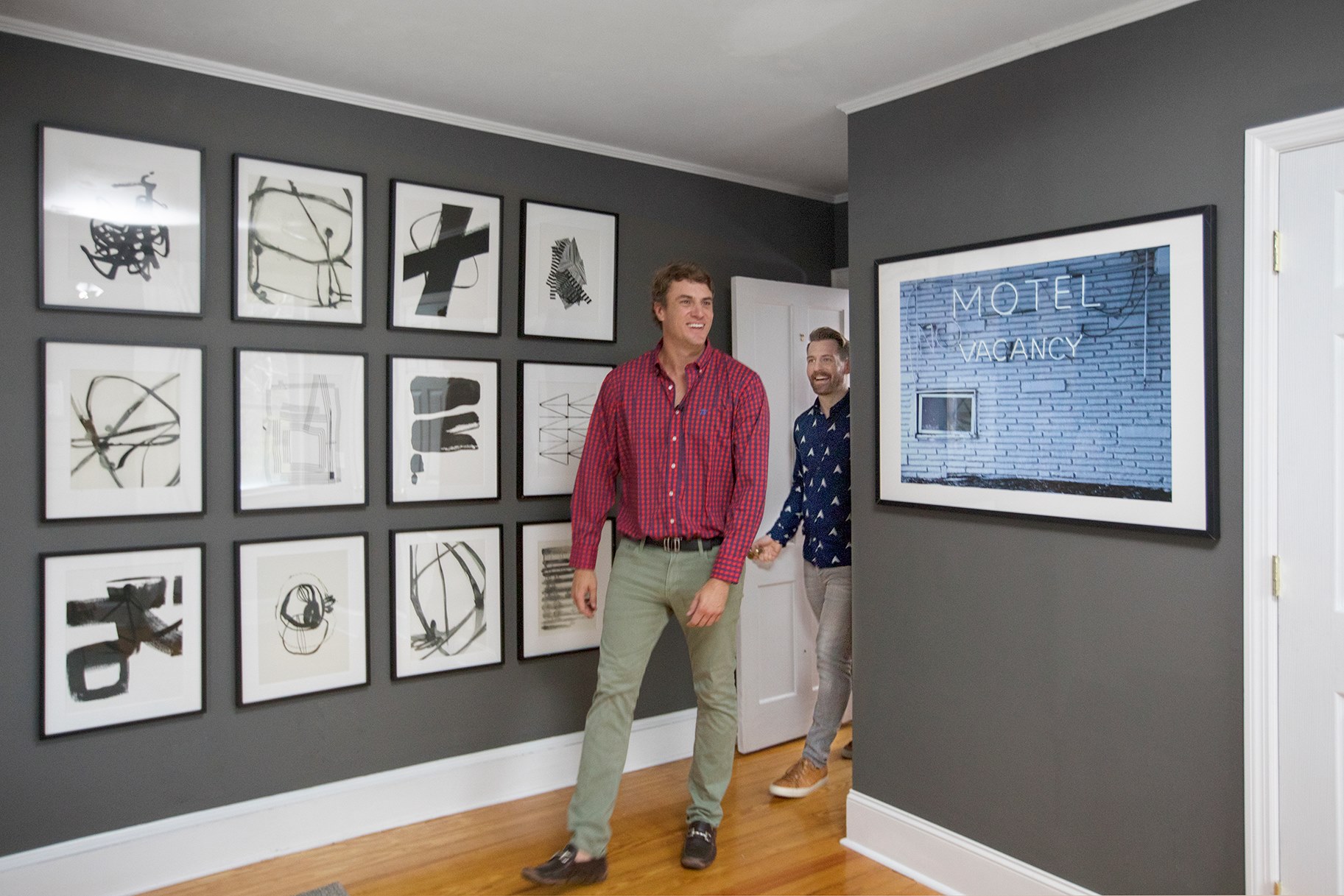
Jonathan Brooks is an award-winning photographer/visual artist, who was born and raised in Miami, Florida. Brooks graduated magna cum laude with a BS degree, double majoring in Advertising and Fine Art Photography with a minor in Marketing from the University of Miami. His studies in graphic design and architecture, and extensive backgrounds in the fashion industry and music industry have also helped to influence his work. He attended one of the Division of Cultural Affairs’ workshops given as part of the Professional Development for Artists program, presented by Citizens for Florida Arts, Inc. in partnership with the Creative Capital Foundation.
Brooks worked for Eastman Kodak during their transition from analog to digital. His photographs have been published in numerous anthologies and periodicals. His Fine Art Photographs have been featured in major movies (Mike & Dave Need Wedding Dates, and Uncle Drew), the Emmy nominated short film series celebrating the 50th anniversary of National Endowment For The Arts- United States Of Art, and television shows (David Makes Man, Southern Charm, The Vampire Diaries, and Germany’s Only Love Counts).
His work has been exhibited in Miami, New York City, Amsterdam, France, Germany, Greece, and the United Kingdom. This includes Art Basel, the Louvre, and the biggest billboard in Times Square.
Division of Cultural Affairs (DCA): Tell us a little about you and your history. What are you currently working on?

Jonathan: I’ve always been artistic and it shows in all I do. I was very much into performing arts in grade school through high school, and totally involved in drama and chorus. I grew up with Twilight Zone and Creature Feature, movie stars and rock idols, the photographs of Time, Life and Vogue magazines, LP records and mixed tapes, and MTV videos. I was always a doodler, until taking two and half years of Architecture at community college, in which I found its rigors ruined drawing for me. I later changed my major to advertising and fine art photography at the University of Miami, where I graduated Magna Cum Laude.
I started out entirely into portraiture and was obsessed with the work of my photography idol Herb Ritts. I continued to enjoy shooting fashion and portraits, but it seemed my photography was slowly becoming a hobby due to circumstances beyond my control. In 2013, after deeply feeling the effects of the recession, and assisting with my father’s five-year long battle with cancer, his death found me refocusing my efforts on my art photography. I found death, mortality, and our journey as my main topics of interest. I suddenly began using skulls in my portraiture and images.
Winning Photo Of The Year 2014 during Miami’s prestigious art week at the inaugural Miami Photo Salon, and having my skull series used as the work of a photographer character on the CW Network’s hit series The Vampire Diaries, really helped to boost my confidence and encouraged me to continue to pursue my art.

As of late, I have found a new interest and appreciation for simple still life photography, in contrast to today’s trend of issue based photography (ie. Feminism, climate change,…). I believe the focus on the mastery of photography becomes more important than the underlying reasons behind the photographs. Today, everyone is a photographer and has access to a camera via their cell phone. The rules and techniques of great photography is what ultimately sets the average ones apart from the great ones.
I’m currently working on finding the right place to exhibit my Blue Palms series. I’ve been surrounded by palms for over half a century, and like the great Cuban poet and national hero Jose Marti, I find them inspirational symbols of my birth place and ancestry. It is important to me to find the right venue for this work because I believe it deserves and commands it.
I’m continuing to enjoy botanicals and still life, and want to focus on my ongoing interest in the Everglades, but I am missing my days of portraiture. While enjoying some recent work involving live humans, I’ve begun to play around with masks as identities on individuals, and want to begin a series I have been wanting to start for a while regarding our use of old vs new technology.
DCA: Why did you choose a career in the arts?
Jonathan: It is innate in me and I really feel that because of that it chose me. I’ve found that my artistic abilities influence everything I do. Whether it be the renovation of my condo in 2000 that was featured in a national publication or in the contents of my Kickstarter funded book The True Cuba that I self-published in 2014. Aside from my photography work, I’ve always gravitated towards all things artistic. In every kind of work I do or have done, I find that there is some level of artistic prowess involved.

I firmly believe that a true artist expresses themselves in all that they do. Because of that, I would say a career in the arts is much more of a calling, rather than a choice. I know there is a bit of “the artist” in all of us, but I think a few take it to another level, and even fewer take it to another place all together.
DCA: What is the best part about your job?
Jonathan: The best part about being a photographer is that I am able to find beauty in all that surrounds me and share it with others. It is a great outlet for my creativity and my preferred way of creating art. Every image captured is documenting history, freezing time, and capturing a memory. Finding beauty in the day to day and sharing your vision with the world is an amazing way to connect with others. Showing others how to look at things from a different direction or angle, or helping them see the beauty in themselves is a powerful and rewarding tool.
I’ve always loved the adage “a picture is worth a thousand words.” I believe photography is probably the strongest means of communication there is and a universal language that anyone can understand. As children, we learned through picture books before we learned to read. The power of an image to deliver a message is something that is worldwide and transcends limits and boundaries.
Another great thing about being a photographer is that you can apply your skills to an array of different subject matter. You are never bored or need to deal with the pains of monotony. One day you can aim your camera at fashion and portraits, another at nature or architecture, and another at street or documentary. As a photographer, the world is your oyster.
DCA: In your opinion, what is the greatest contribution that you and your art have made to your community?
Jonathan: In my opinion, exhibiting, displaying, and selling my art has a great effect on one’s community, and enriches the lives of all of us. It helps economic development and increases business, improves social well-being, and it brings people together to help celebrate the community. It also encourages interaction in public spaces, engagement in community activity, promotes diversity of culture, builds personal and professional relationships, and educates and entertains. The impact is felt not just in museums or galleries, but all around us.

I think my greatest contribution to my community has been garnering attention and recognition for my art outside of my community. Whether it be other cities and states in the nation or other countries paying attention to my work, this contributes to the positive image of our community when it comes to tourists and foreigners. I take great pride in having my work displayed at the Louvre in France, Amsterdam, Germany, Greece, the United Kingdom, and New York City’s Time Square. I also believe having my art used in major movies and television shows adds a credibility to my work and makes it a part of pop culture.
I feel that probably my greatest contribution to my community is having my work in the Emmy nominated short film series United States of Art, celebrating the 50th anniversary of National Endowment For The Arts. Inclusion in such a historical, meaningful, and recognized piece of work truly makes me proud for being able to represent my community, Miami, and Florida in such a manner.
DCA: What do you think of when you hear “Culture Builds Florida”? Why are the arts and culture important to our state?
Jonathan: I hear that a state without culture would be pretty boring and uninviting. I think Florida is lucky to be extremely rich in art and culture, and because of this many are drawn here. The abundance of art and culture available in Florida through our many and diverse communities has always established Florida among the most cultural places to be. Some of the hottest destinations for tourists from all over the world are in Florida. Orlando, Miami, and the Florida Keys are prime examples of the excellence in art and culture that the state offers.
Florida locations are also widely used and sought after in television and movies because of our art and culture. From the vintage Flipper series to Miami Vice to the Golden Girls. I am extremely proud to be one of the Florida artists who will have their work featured in the upcoming Oprah Network’s original drama series David Makes Man. The coming-of-age story from Oscar-winning Moonlight co-writer Tarell Alvin McCraney and starring The Cosby Show’s Phylicia Rashad is set in the Florida projects.
The Division thanks Jonathan Brooks for his participation in this interview. To learn more about him and his work, visit his website: http://www.jonathanbrooks.net
Interested in being featured on Culture Builds Florida? Please fill out this form: https://goo.gl/forms/3sMwuJWA3bM1orPl2 (Note: submission does not guarantee inclusion.)
 Each year, the regional arts agency


 Kimberly: The children are definitely the best part of the job — just witnessing how the arts can transform a child’s life. We see time and time again that there’s something about the arts to reach children in ways nothing else can. The arts stay with them for life and it is really a privilege to witness.
 Right now, it is especially important to make sure everyone understands how vital the arts are when it comes to issues of mental health. It’s so tough to be growing up today and I really feel that it is more important than ever that children be able to utilize the arts as a means of self-expression. I think anyone who watched the powerful performance by the Marjory Stoneman Douglas theatre students at last year’s Tony Awards is aware of just how important the arts can be when facing complex challenges.
 The first is that we teach children, so we provide arts learning to children who need it the most. That will always be the heart and soul of what we do. The Cathedral Arts Project also provides professional development for local artists, educators, and school administrators. The third bucket is advocacy. We spend a lot of energy on advocacy, working to broaden the relevance of arts education in the minds of families, policymakers, and business leaders. This goes hand-in-hand with what I said earlier, that caring about public education means caring about arts education.
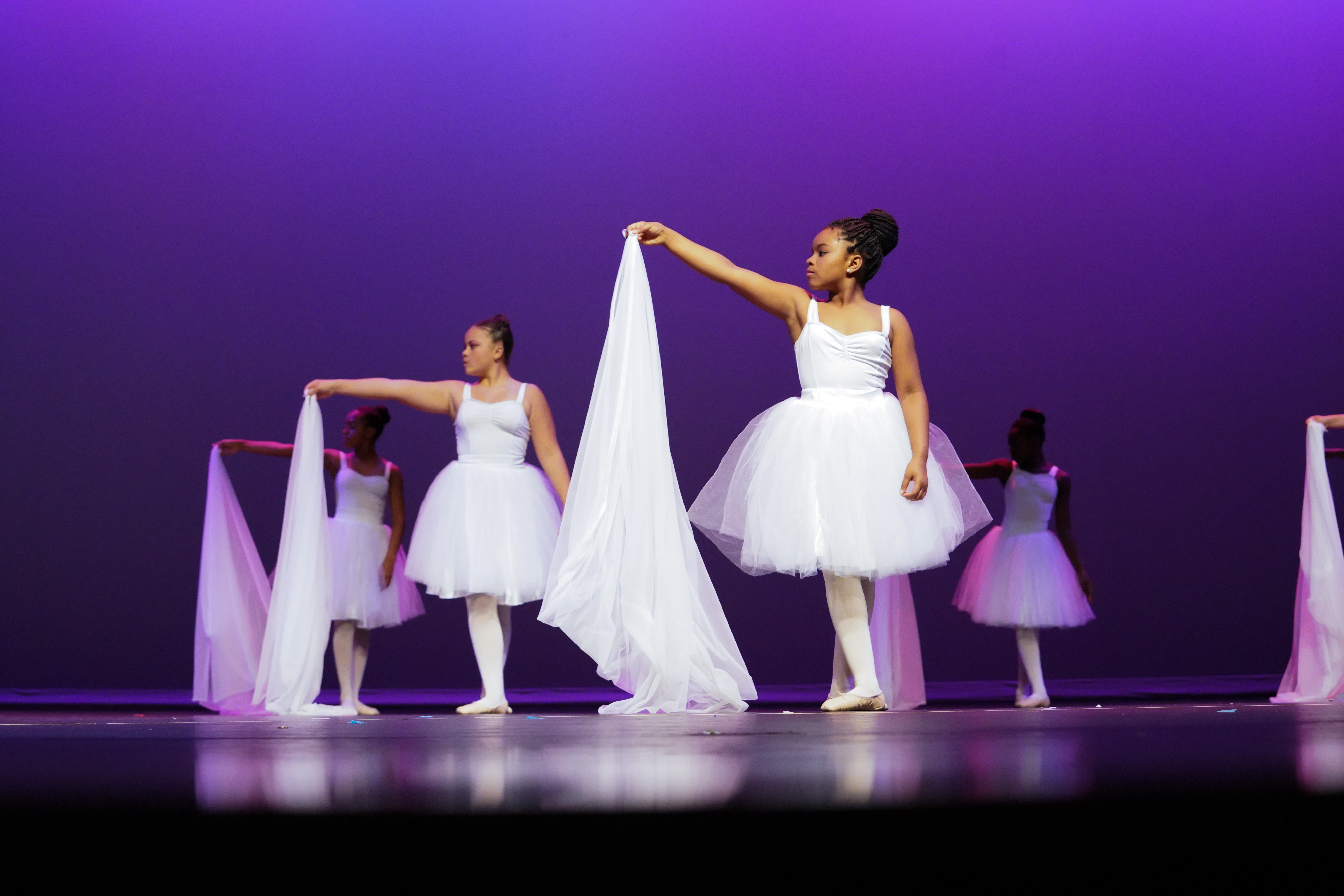 Kimberly: It goes back to our mission statement. I truly believe that we are enriching the quality of life here for generations to come. The latter part of that statement is easy for us to sometimes gloss over, but the transformative effect that our work is having on a child’s life will have ripple effects for generations to come, in countless ways.
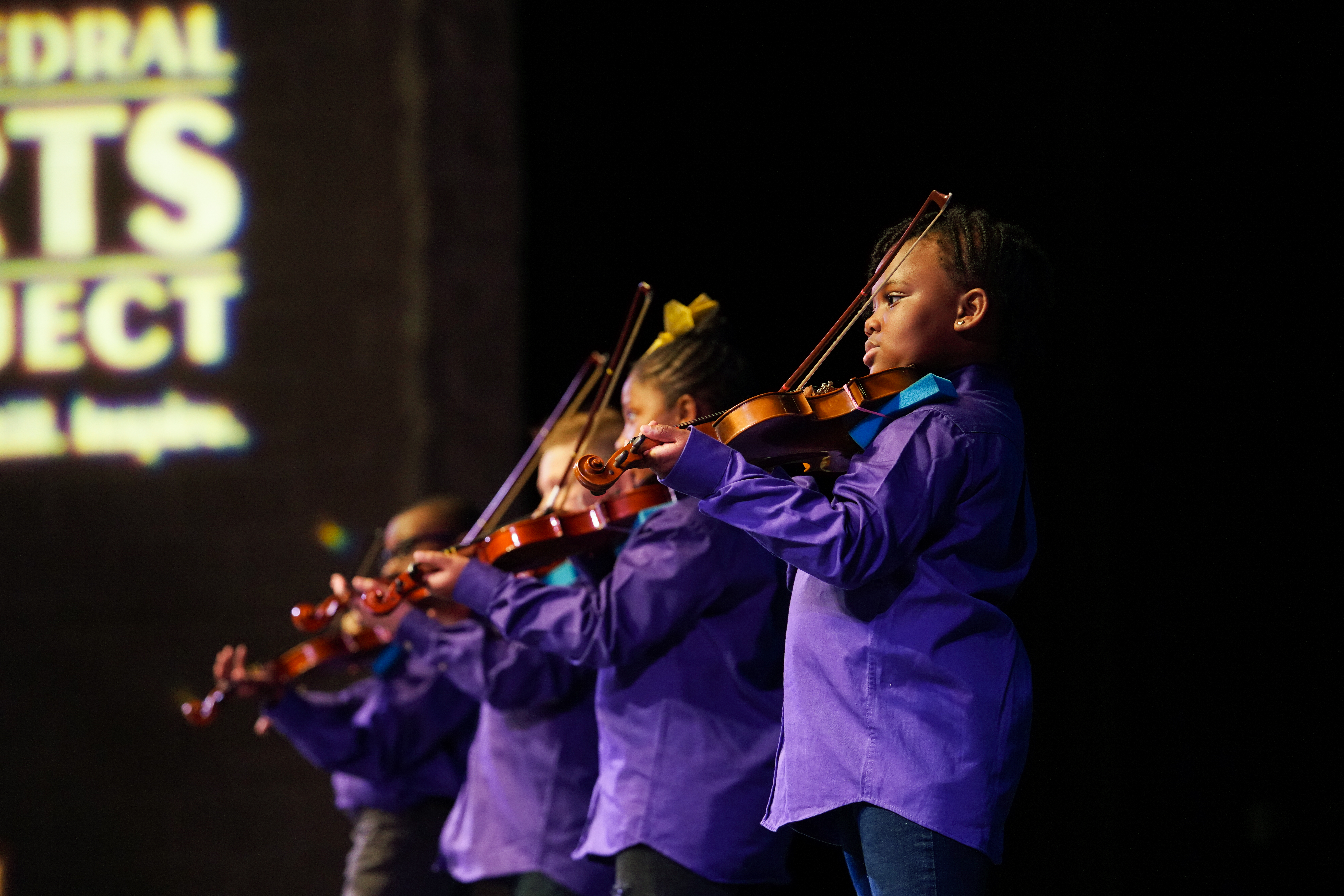 Kimberly: I think that culture really is what sets us apart as a state. Culture draws visitors to come and have experiences that they can’t have anywhere else. Culture is what draws companies to relocate their communities and it’s why people want to live here. I think it is culture that joins all of us to work here together, regardless of how different we might be. I believe that arts and culture provide opportunities for each of us to feel like we belong and to understand each other and really build one another up.
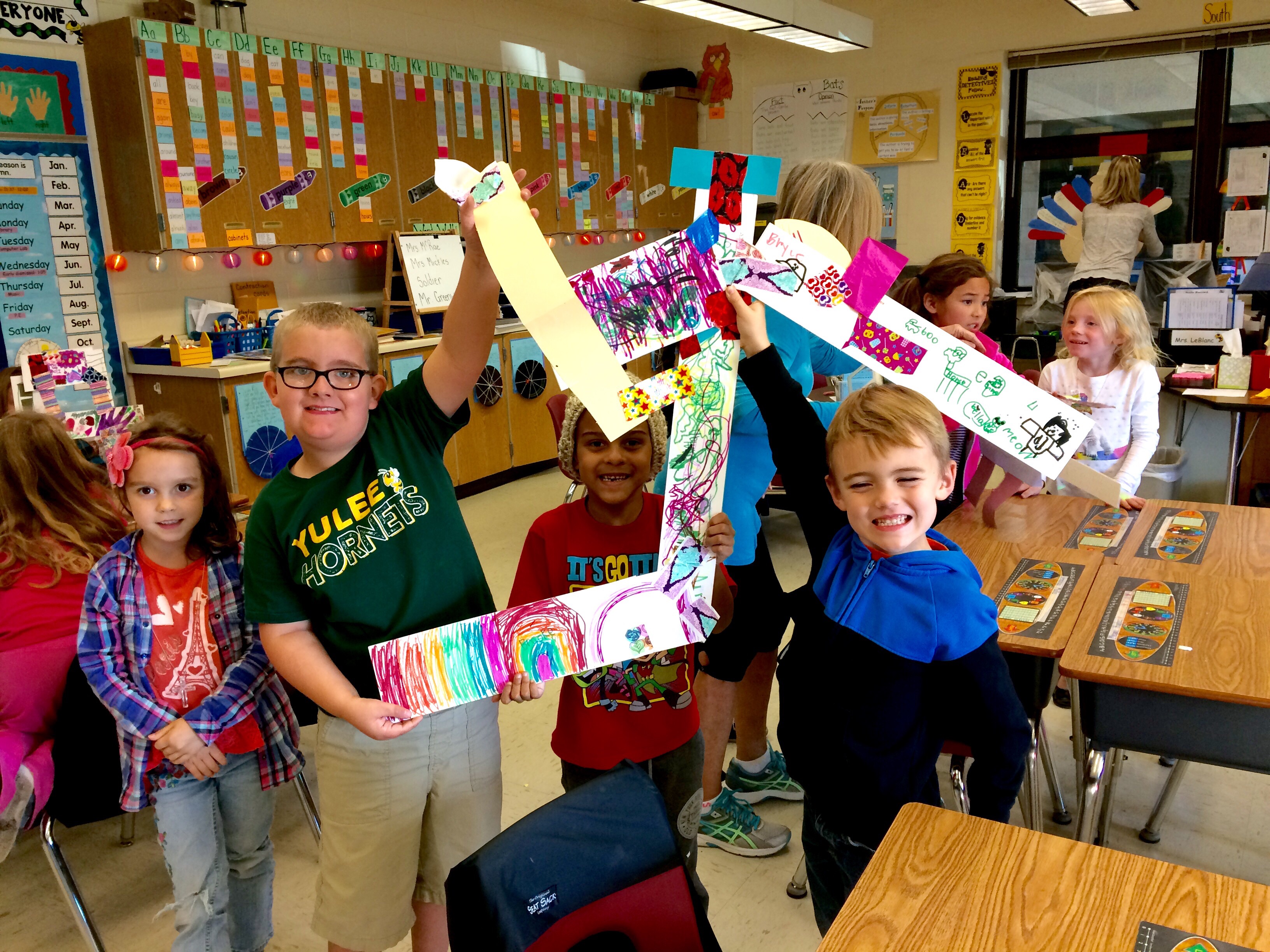 In 2012, we were “reborn” as Arts Alive Nassau and started offering three programs: a dulcimer class, an elementary school band, and a visual art class. Originally, we worked with three elementary schools and provided the classes after school. Over the past six years, we have grown to providing 20 after school classes and two classes with the ESE program during the school day. We are now a presence in each of the nine elementary schools in the county. The schools don’t charge us anything for the use of the space and we are able to offer our instruction free of charge, in exchange. It’s a wonderful relationship because finding space and getting kids on location is often a problem. Through our partnership, the instruction happens right where they are and it has worked very well.
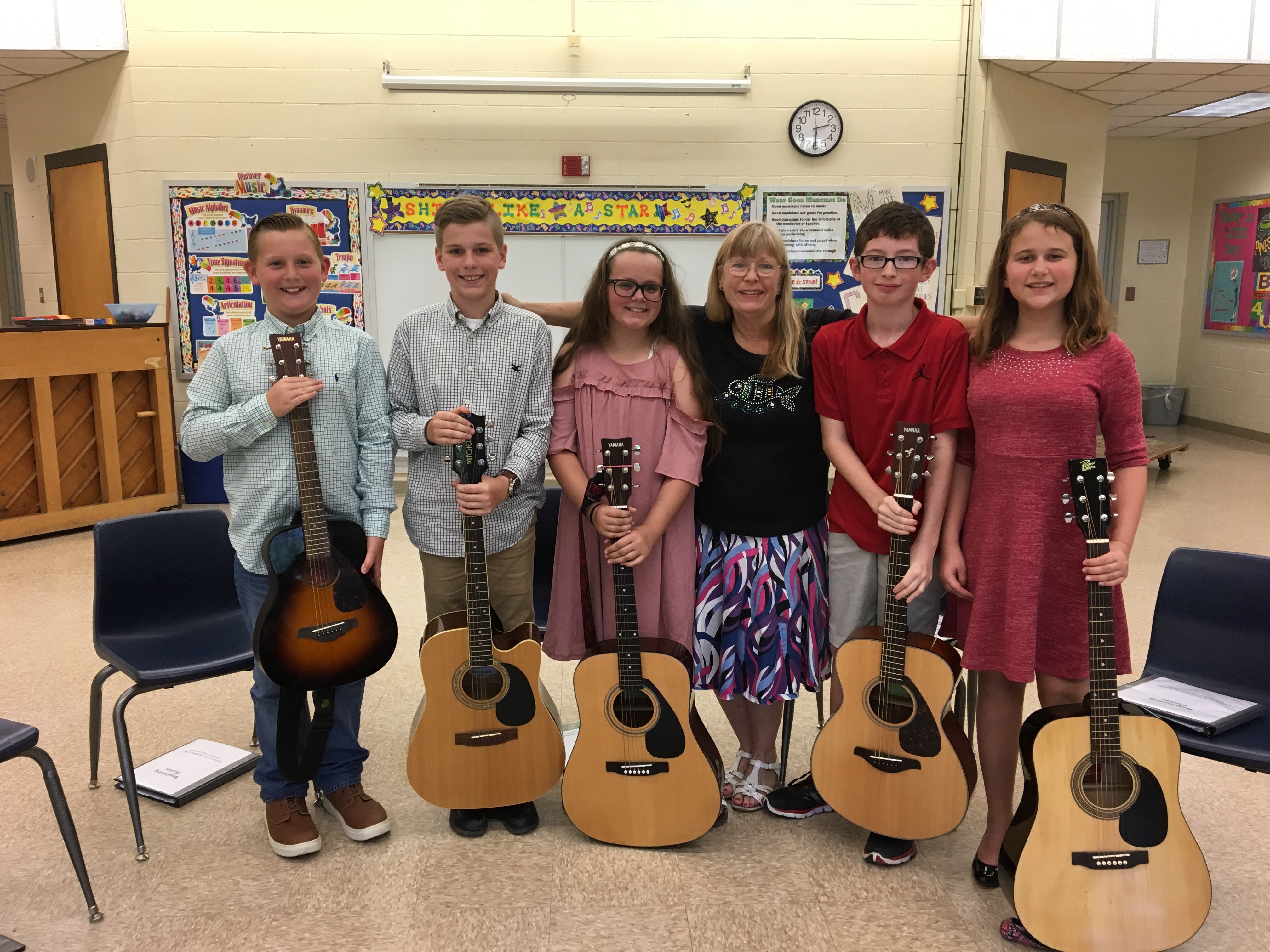 Jane: We offer music lessons, violin, ukulele, band… one of the elementary schools has both a brass ensemble and a drumline. We still offer our dulcimer classes as well as visual arts classes in painting, drawing, and puppetry. We also have a great partnership with a theater company in South Carolina, the Baillie Players, that has helped us produce musicals at Callahan Elementary School for the past five years. This year they are doing “Snow White”. The teacher at Callahan has all the music, scripts, choreography and casts the show and then our partner company will come down to coach the kids and bring the sets, costumes, and props. There are usually 40-50 students involved and it’s such a wonderful thing for the children. In Callahan, which has a population of around 1,300, the community members and families come out in droves to see the children perform– even the mayor usually makes an appearance! It’s a great event not only for the students involved but for the community, as well.
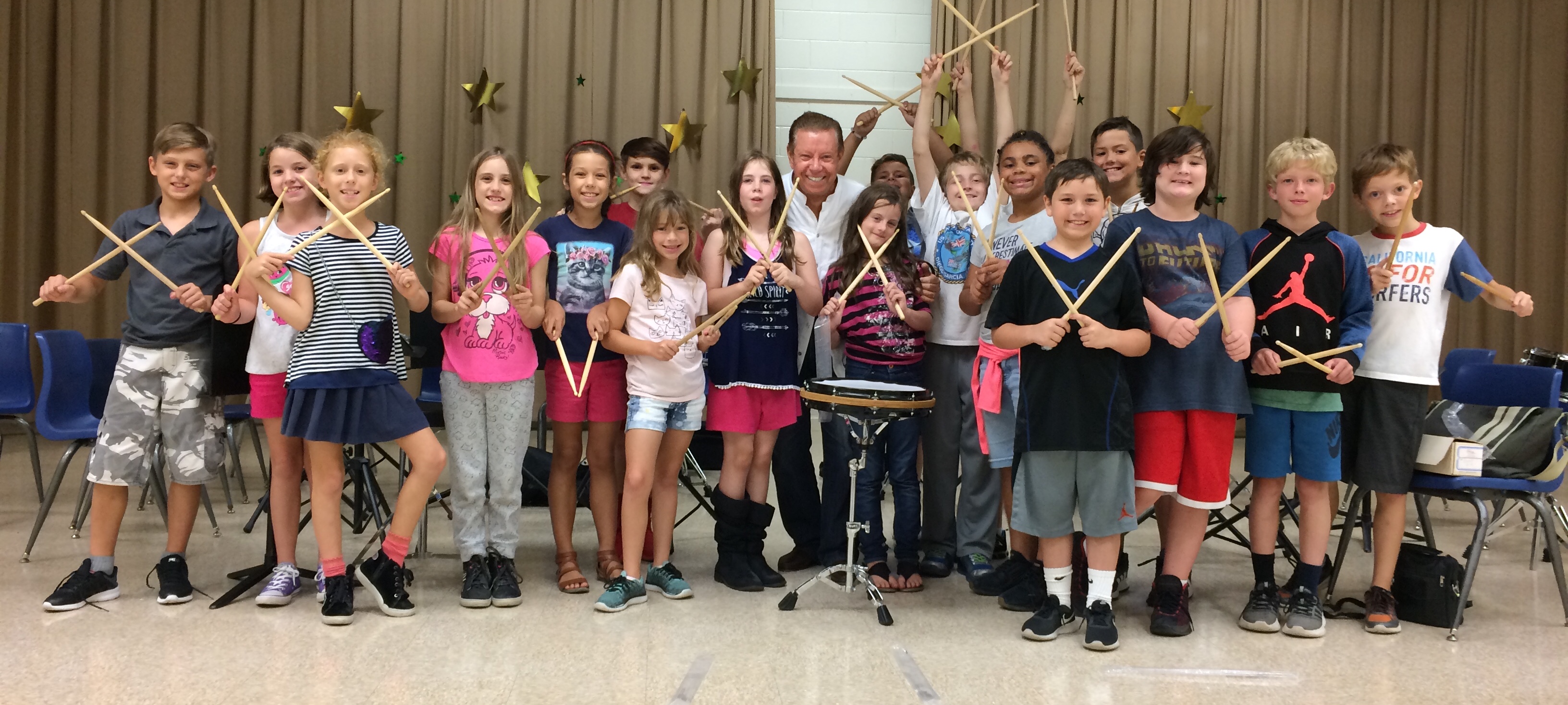 Jane: Each year, close to 600 students are involved in our activities. Currently, we have 255 students in our classroom-based programs. We’d love to be able to reach more students but are limited, like many organizations, by our budget.
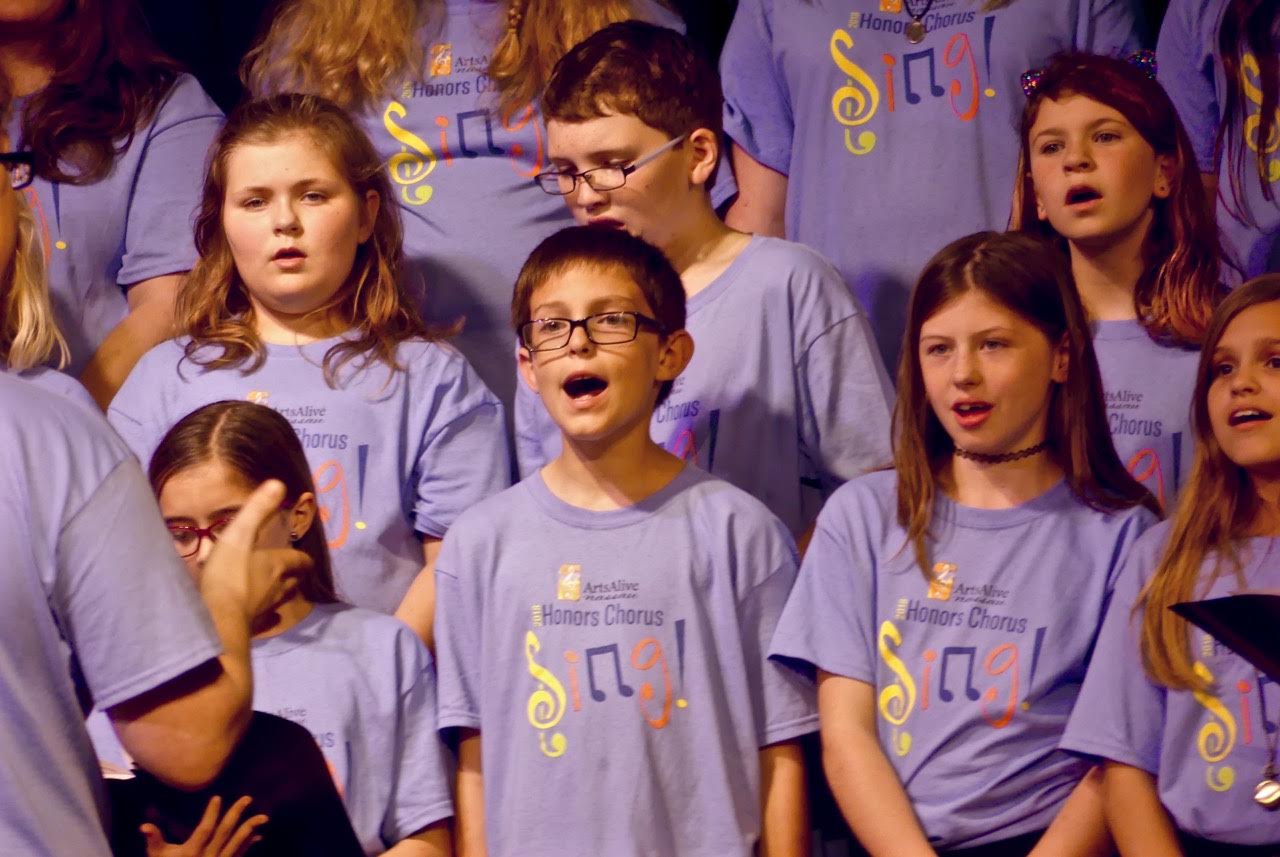 It’s definitely seeing the children’s faces. When they get excited and they’ve just learned how to play something, they are so proud of themselves. I think that arts education presents the opportunity for children to find out who they are inside because to me, that’s what the arts give us. They allow children the opportunity to find out who they are through creativity. To see the awakening that takes place in every student and the self assurance and self esteem that comes from learning that they can perform and create in front of people is just amazing. I think that the arts are wonderful because you can have so much fun while you’re learning.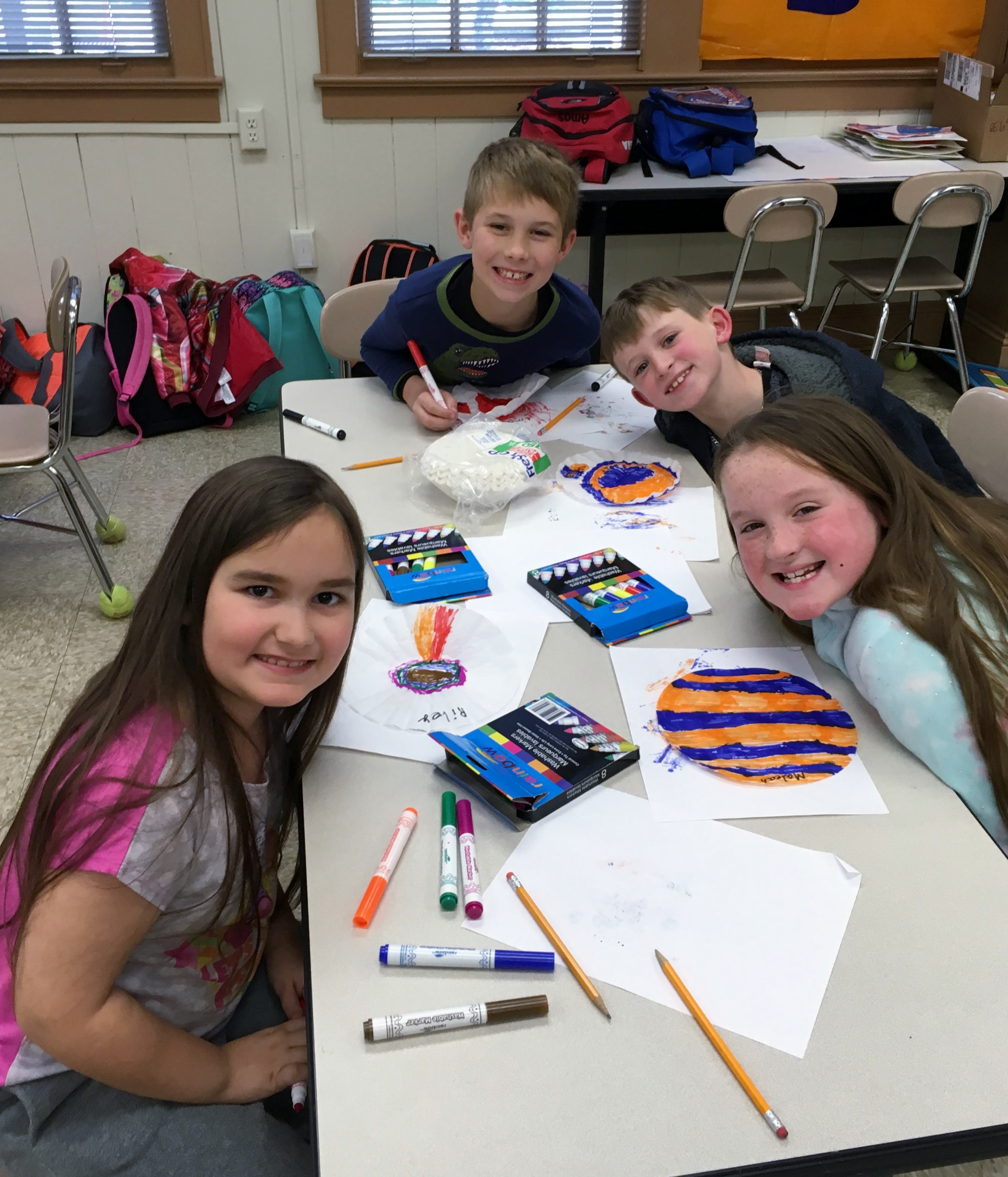
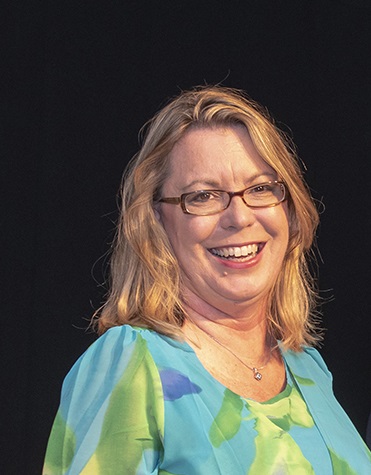 DCA: Tell us a little bit about yourself.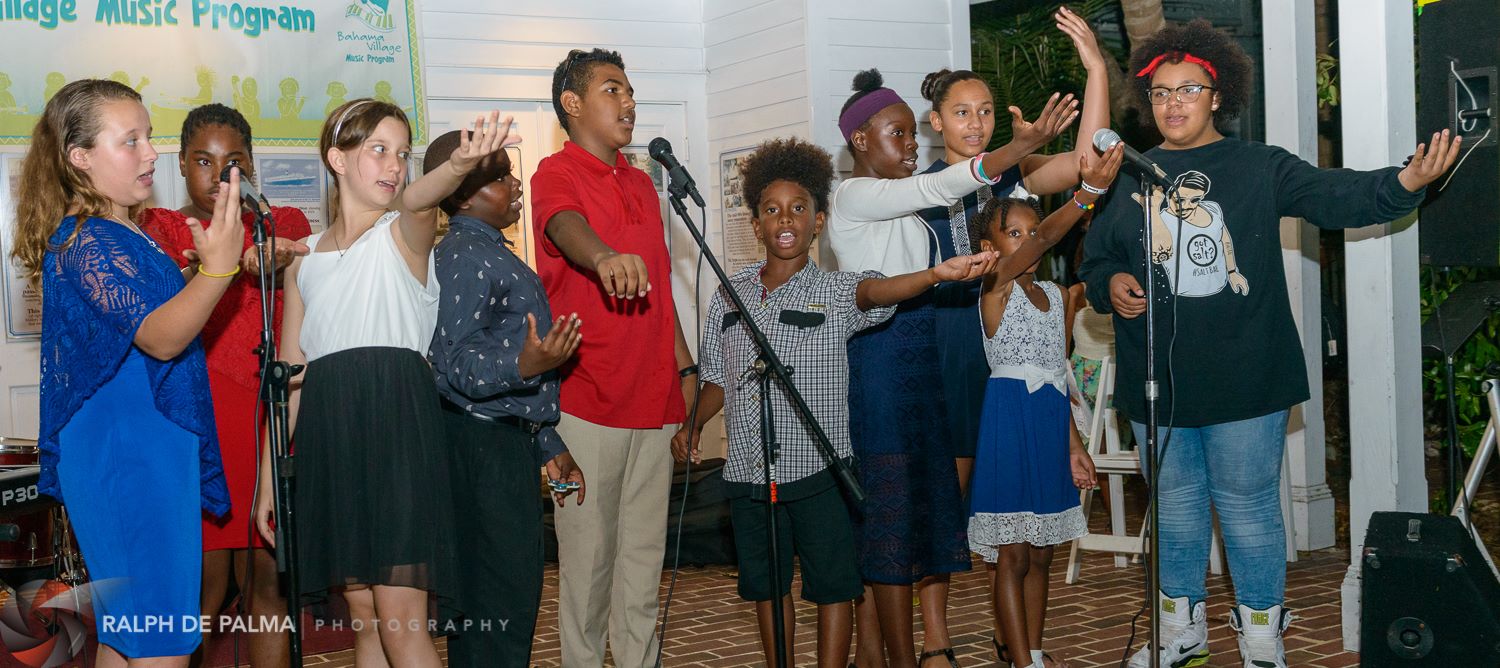


 DCA: Tell us a little bit about yourself.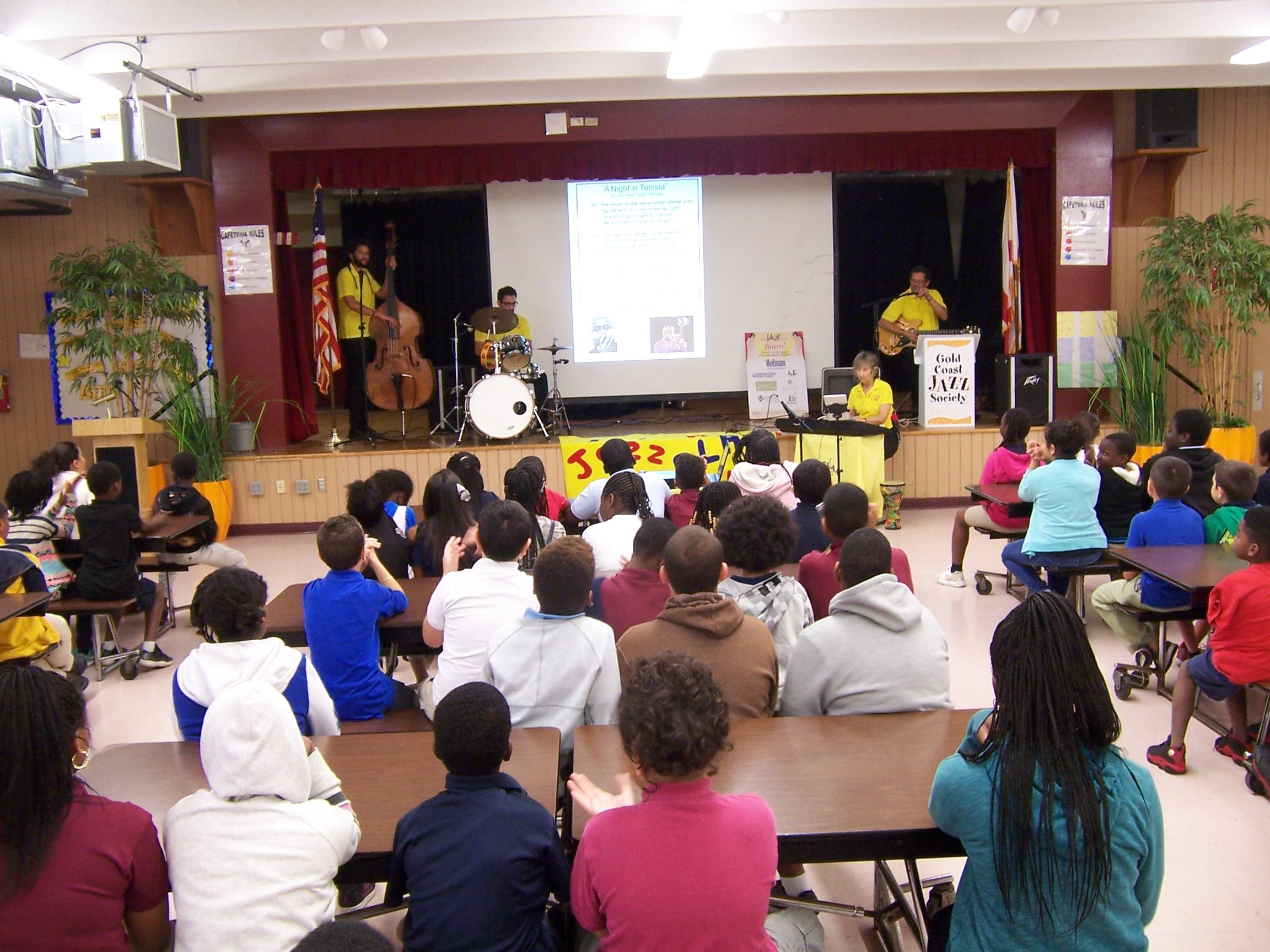
 Culture Builds Florida